
Underground Runs
In August 2026, to mark five years of resistance under Taliban rule, Afghan women around the world led Underground Runs. These community runs were spread by word of mouth, in the spirit of Free to Run’s clandestine Omid program, which provides trauma-informed strength and mindfulness training sessions for women in Afghanistan.
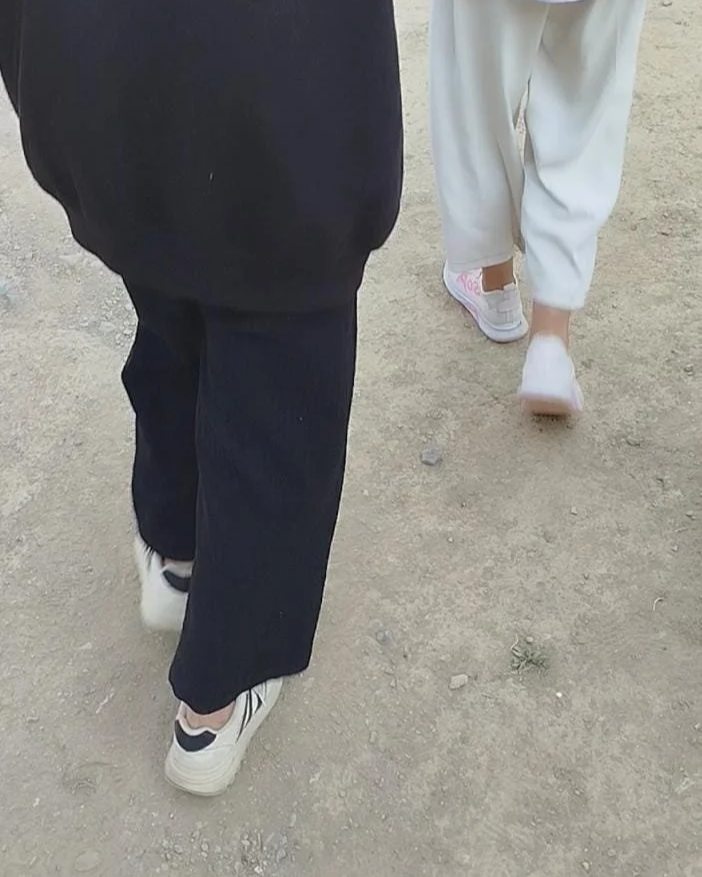
The global series of Underground Runs began in Afghanistan, where participants took significant safety precautions. Increased restrictions leading up to August 15, the anniversary of the Taliban’s return to power, have made it increasingly difficult for women and girls to participate in any kind of sports activity. So four run leaders across Afghanistan each organized their Underground Runs in July, to minimize the potential security risks that might come with the promotion of this campaign.
“We ran in the yard behind our house, which had a gate leading to the street. While running, we were constantly worried that someone might come and that something could happen. We stopped running whenever we heard even a small sound, but in the end, we were able to run 1km. At first, we were embarrassed and worried about how our family would react, but after we started running, this embarrassment gradually gave way to a sense of freedom.” - Anonymous, Underground Run Leader, Afghanistan
The next two Underground Runs took place on August 1, thousands of miles apart.
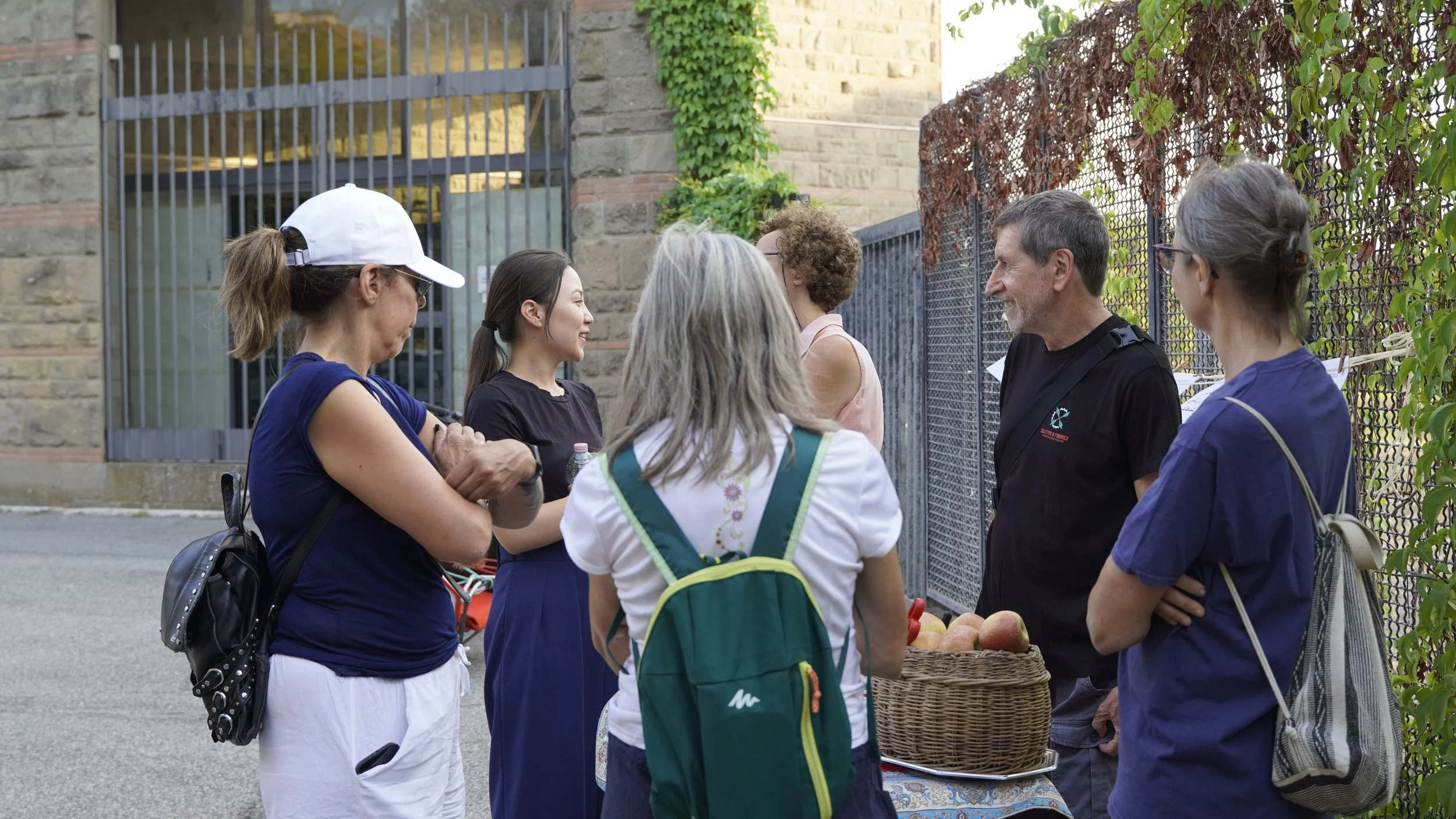
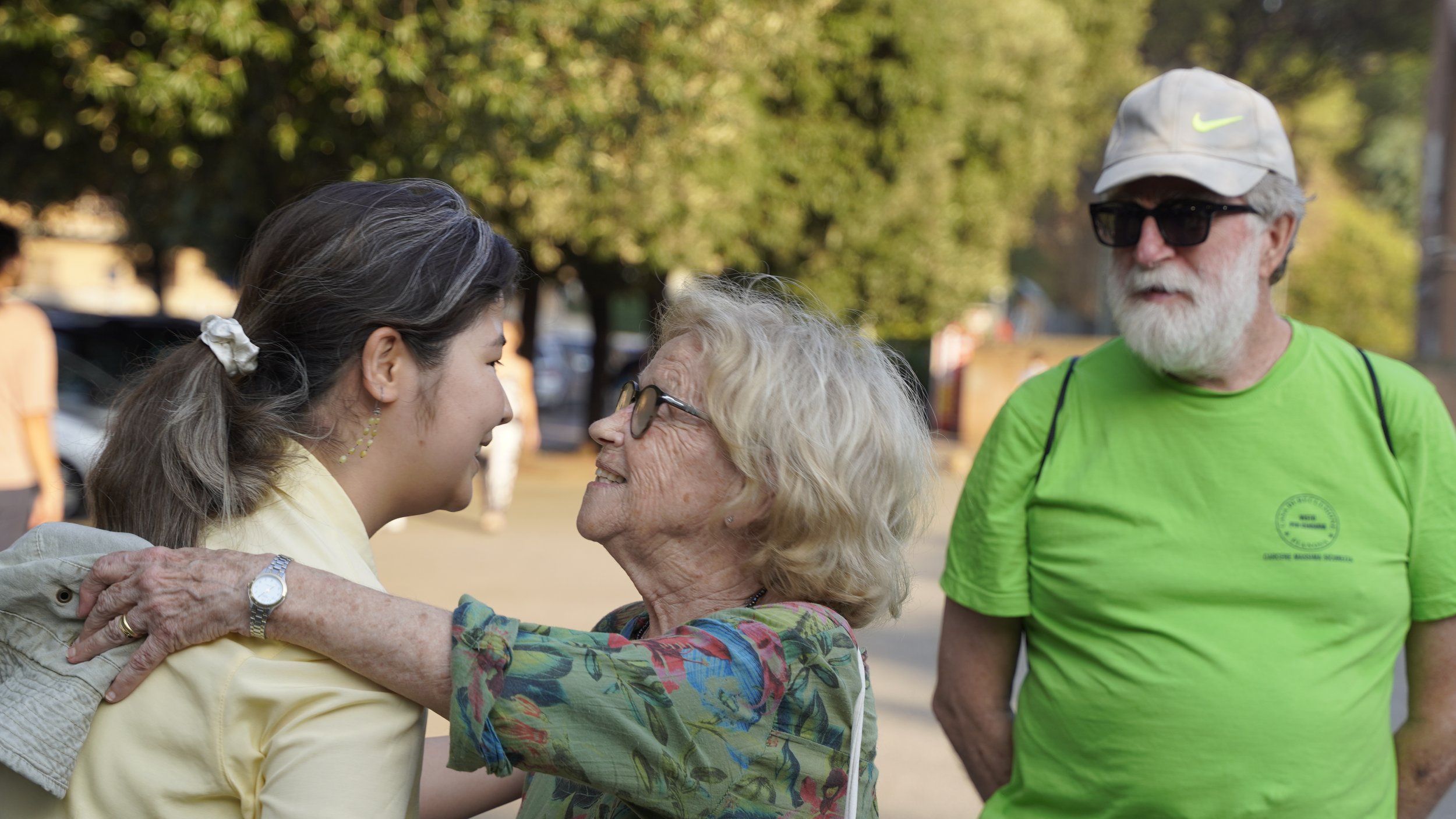
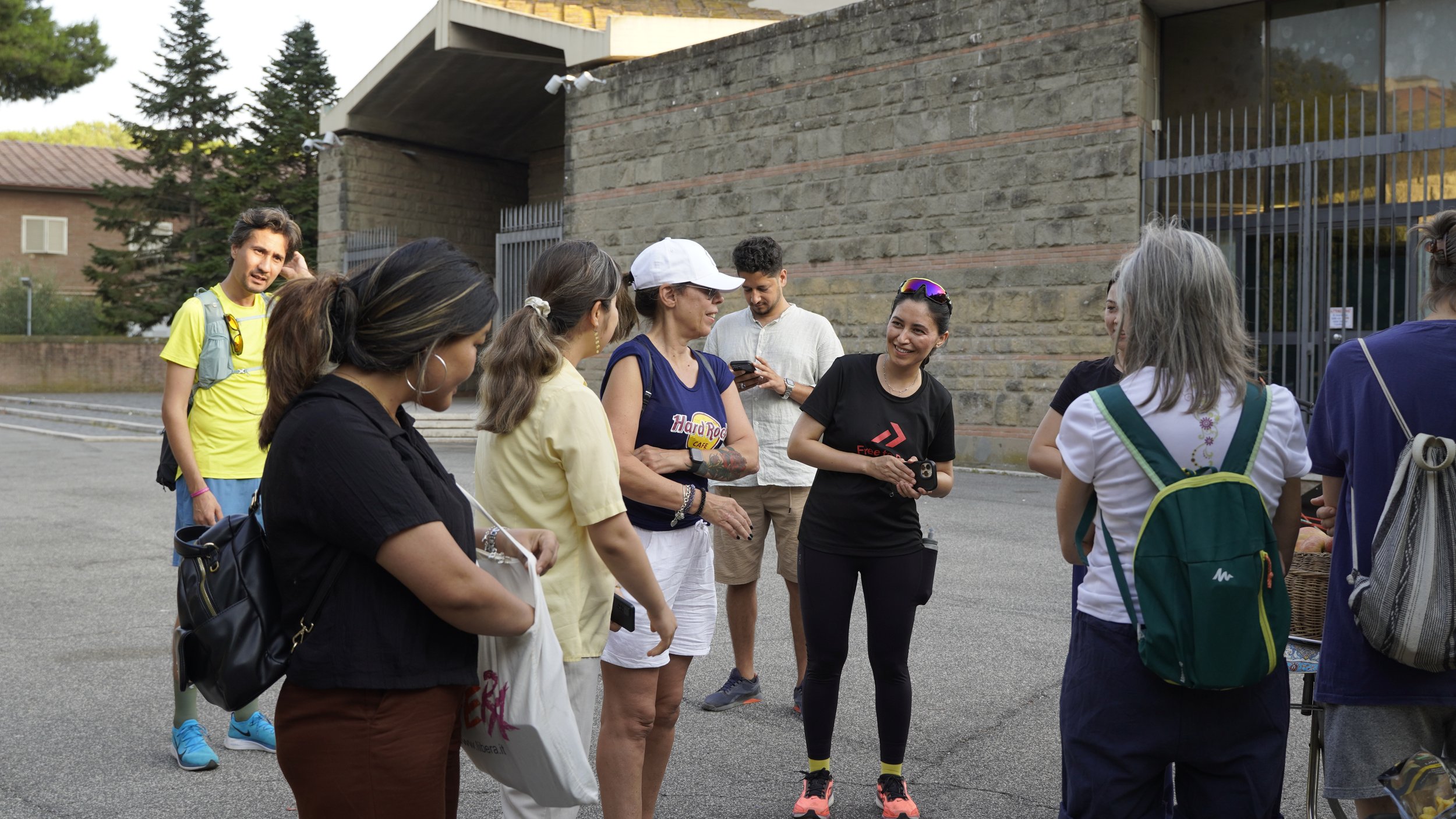
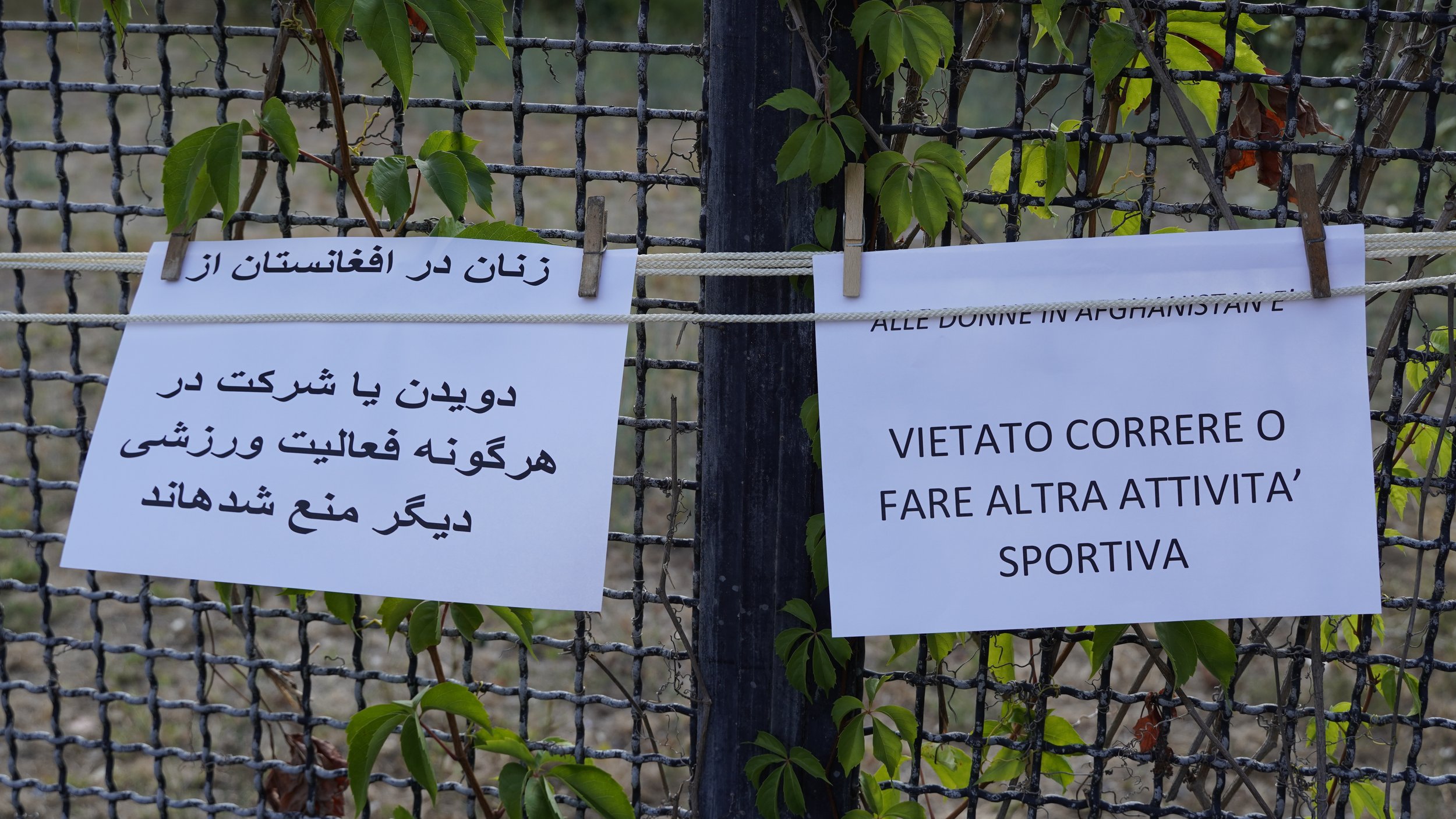
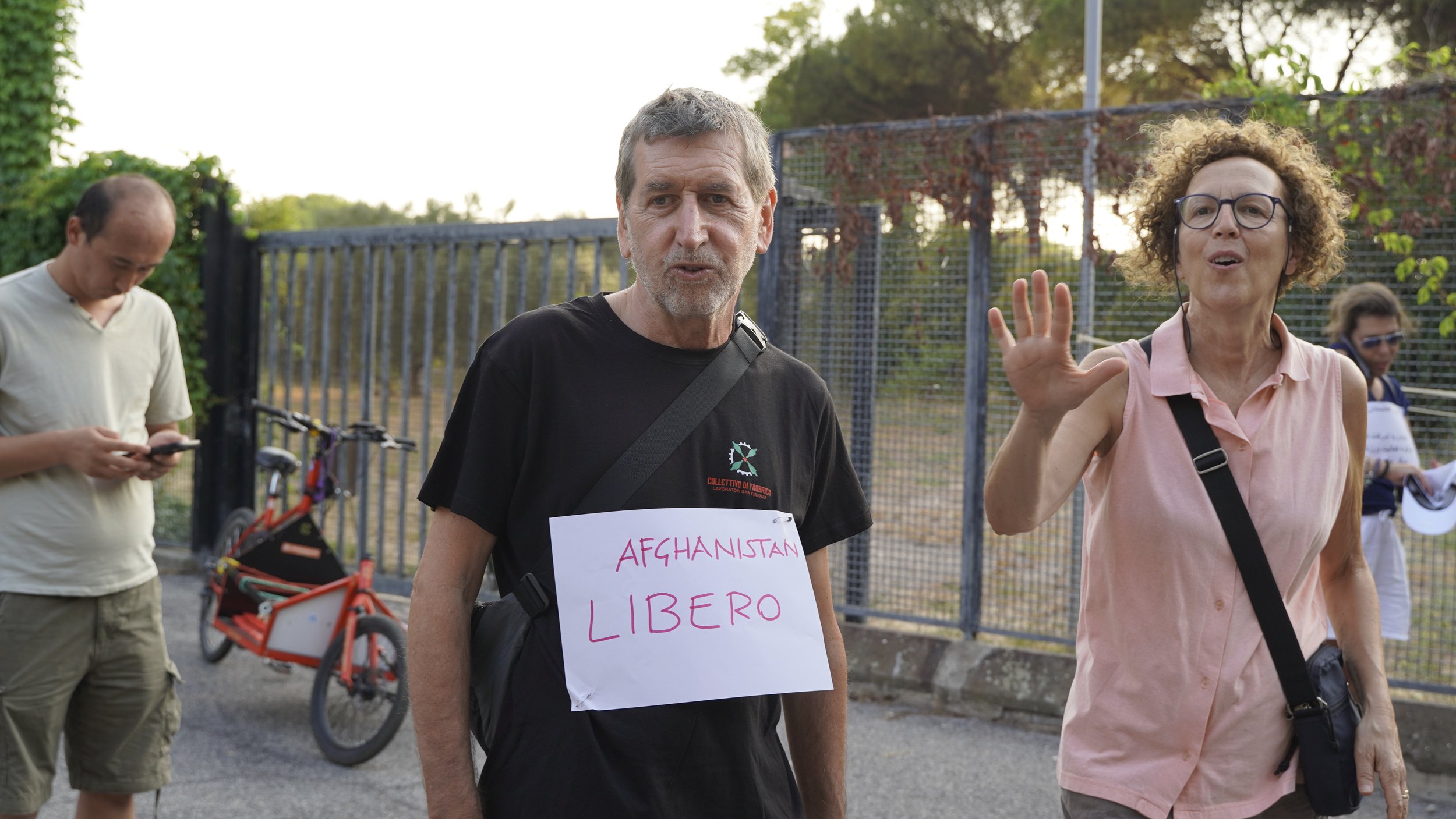
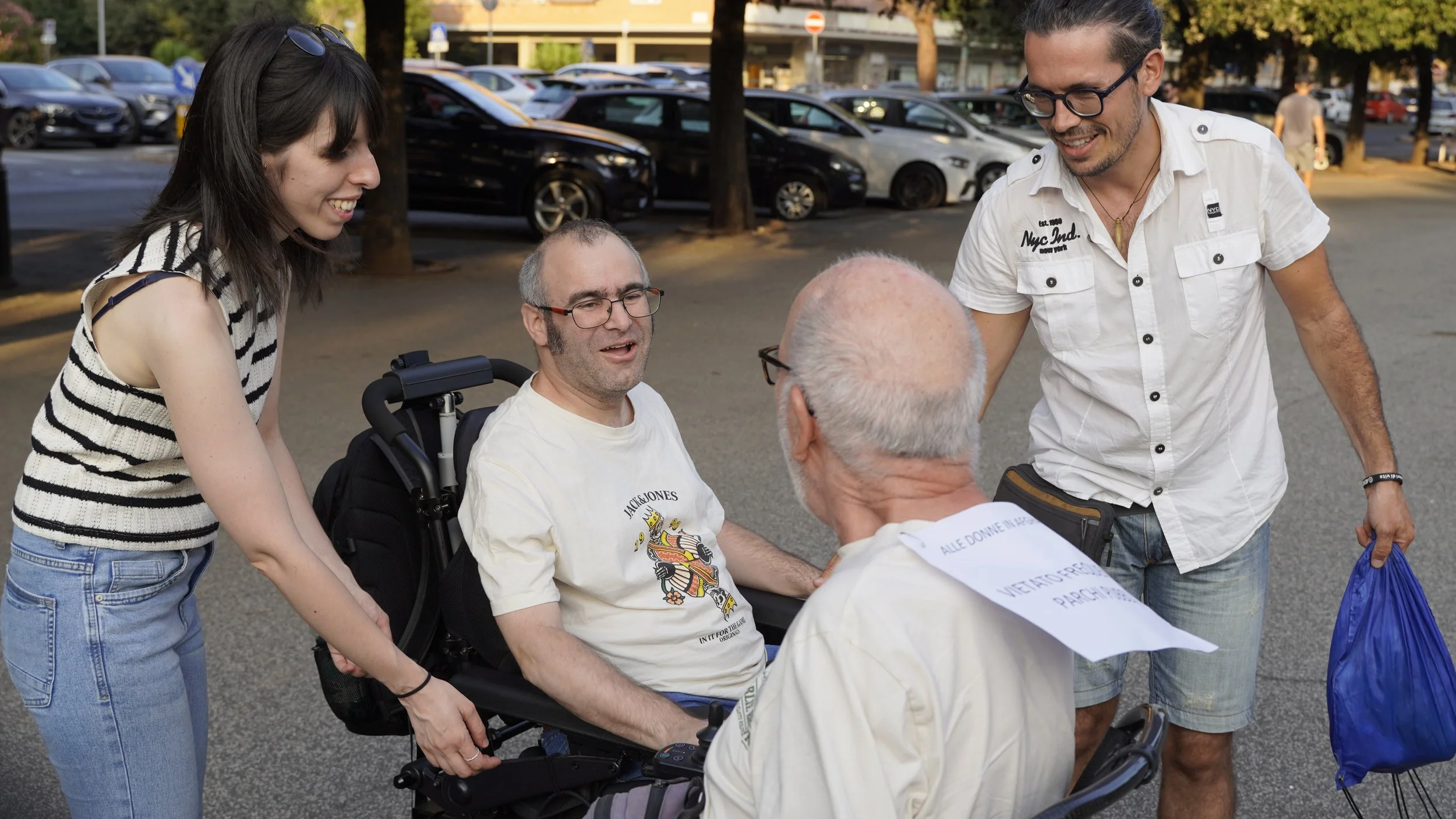
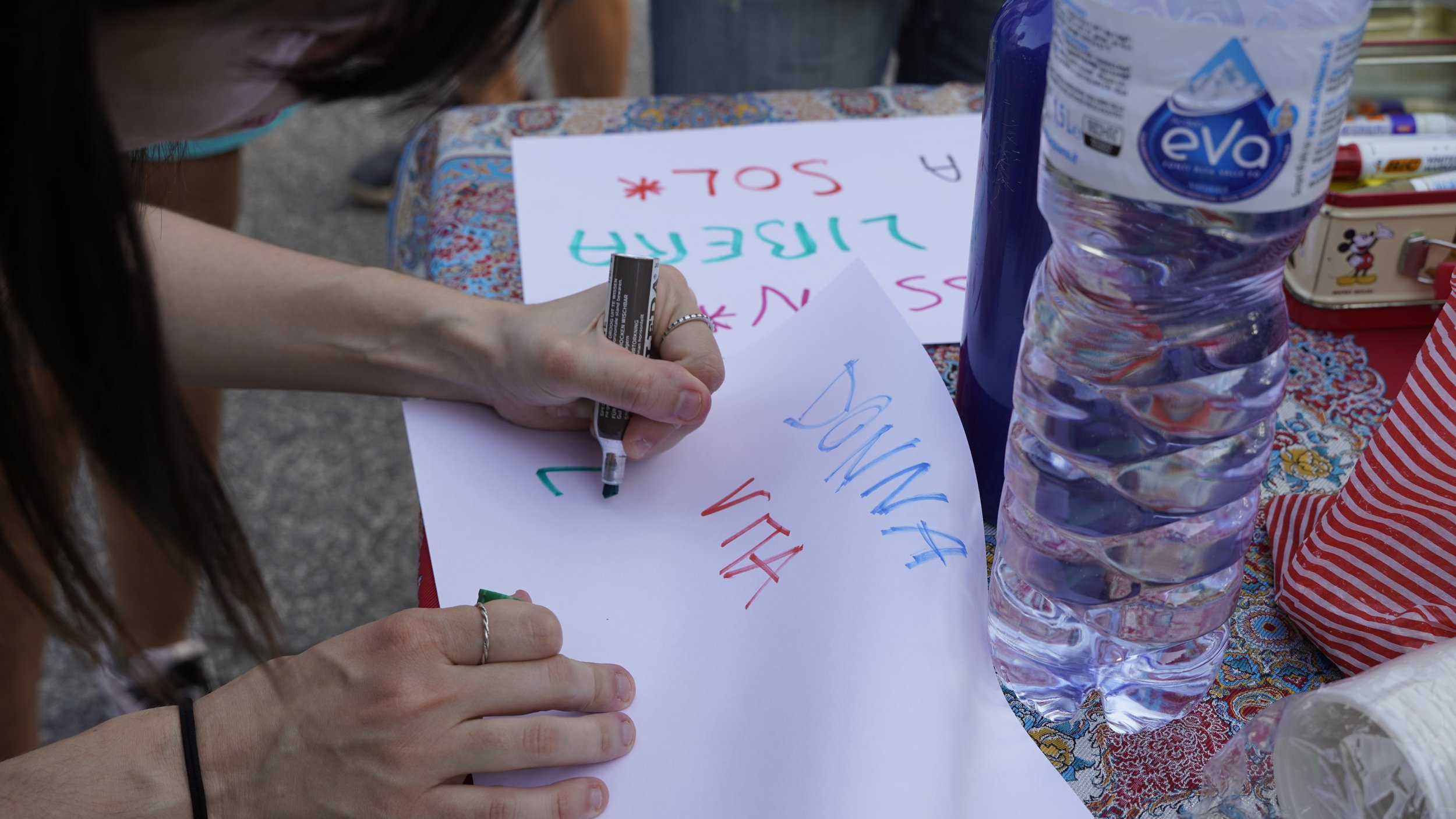
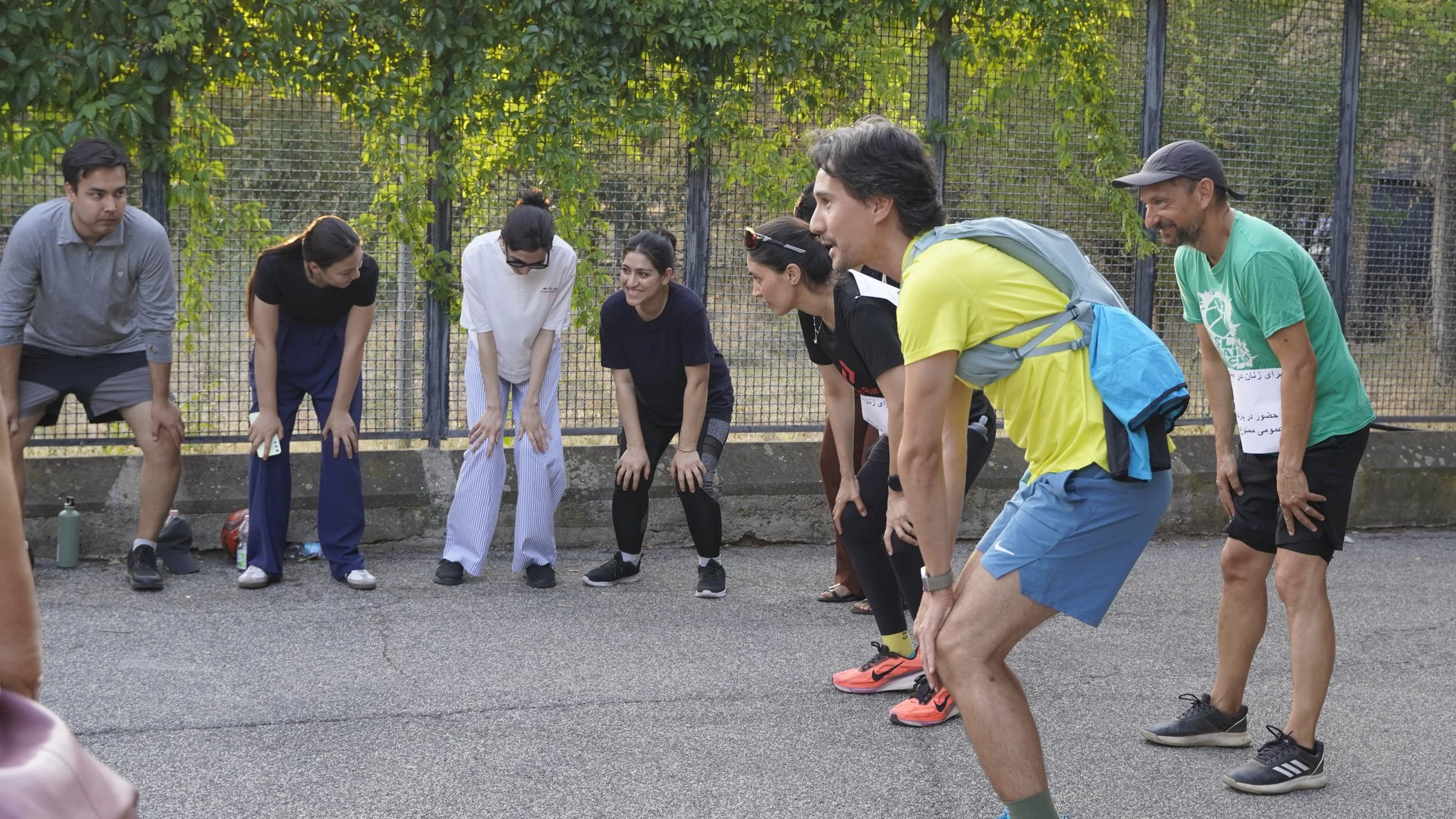
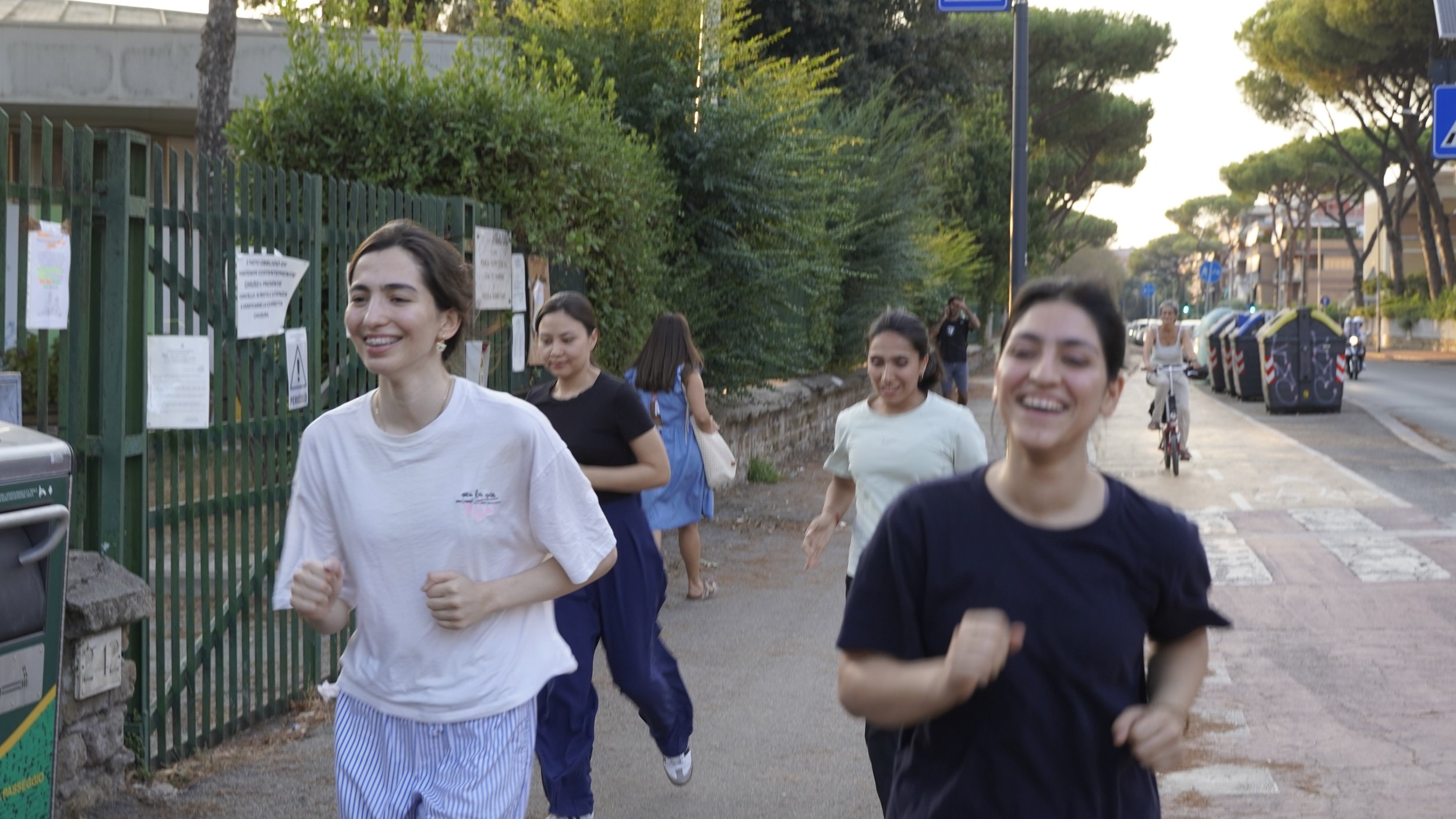
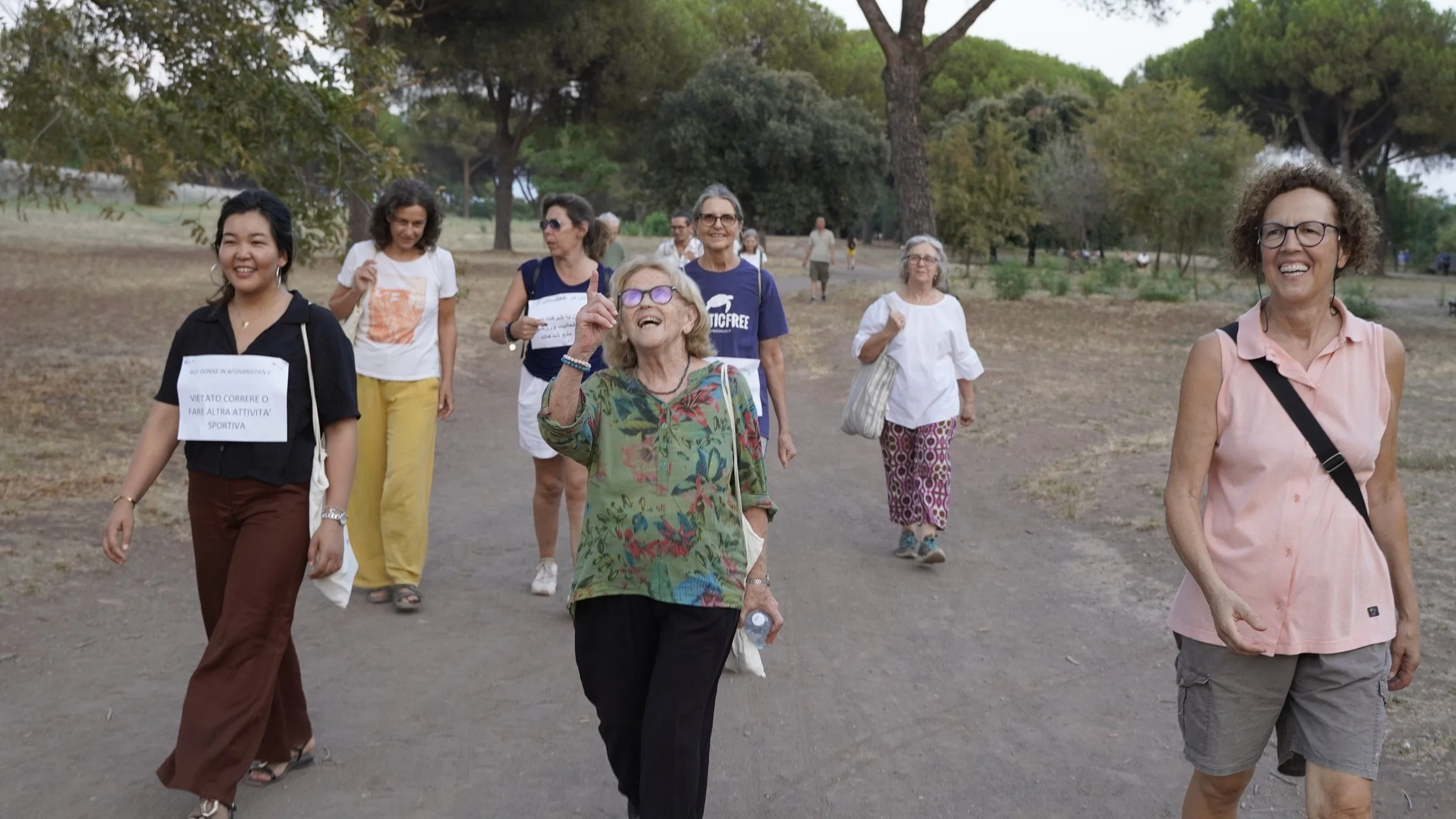
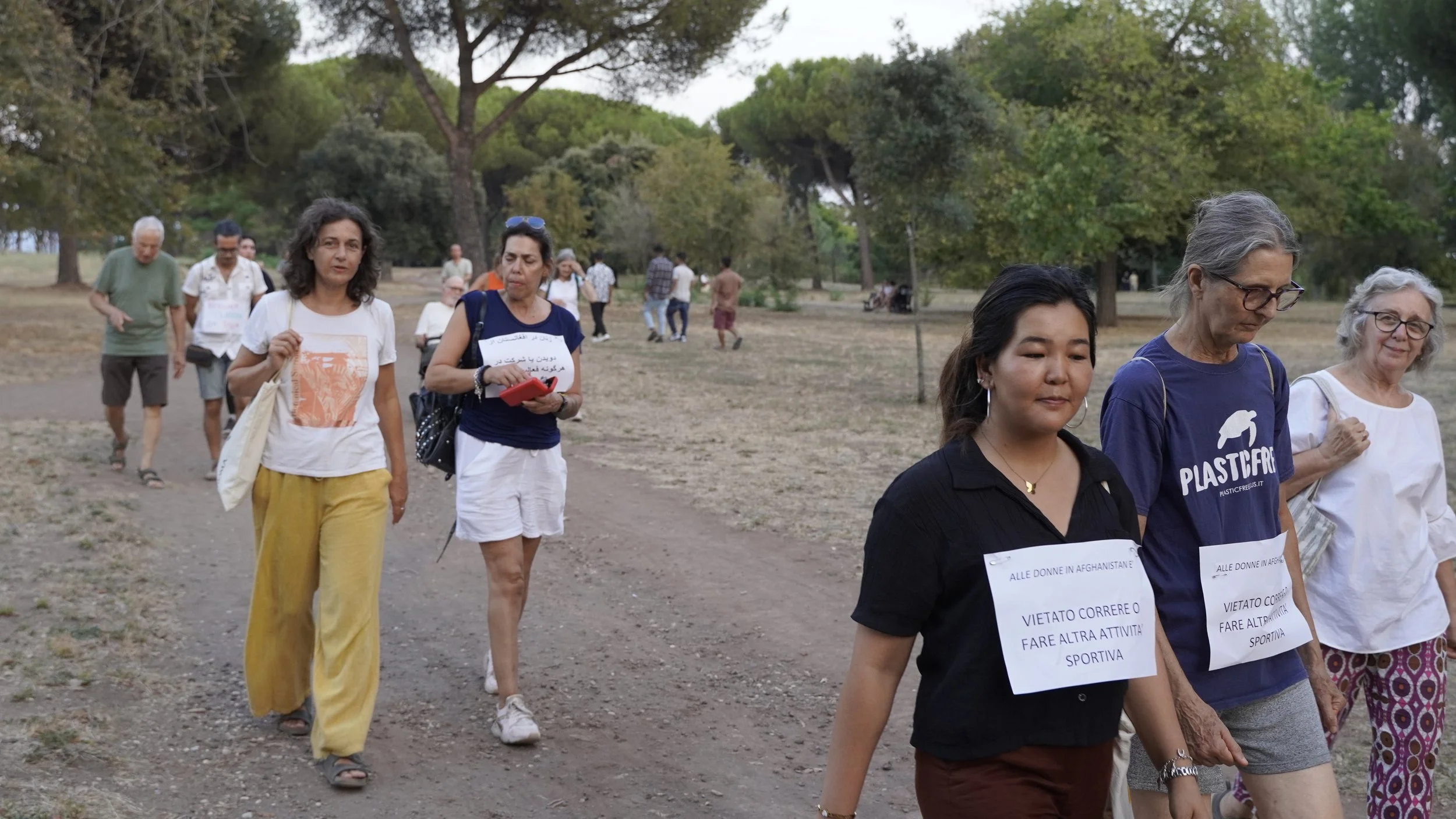
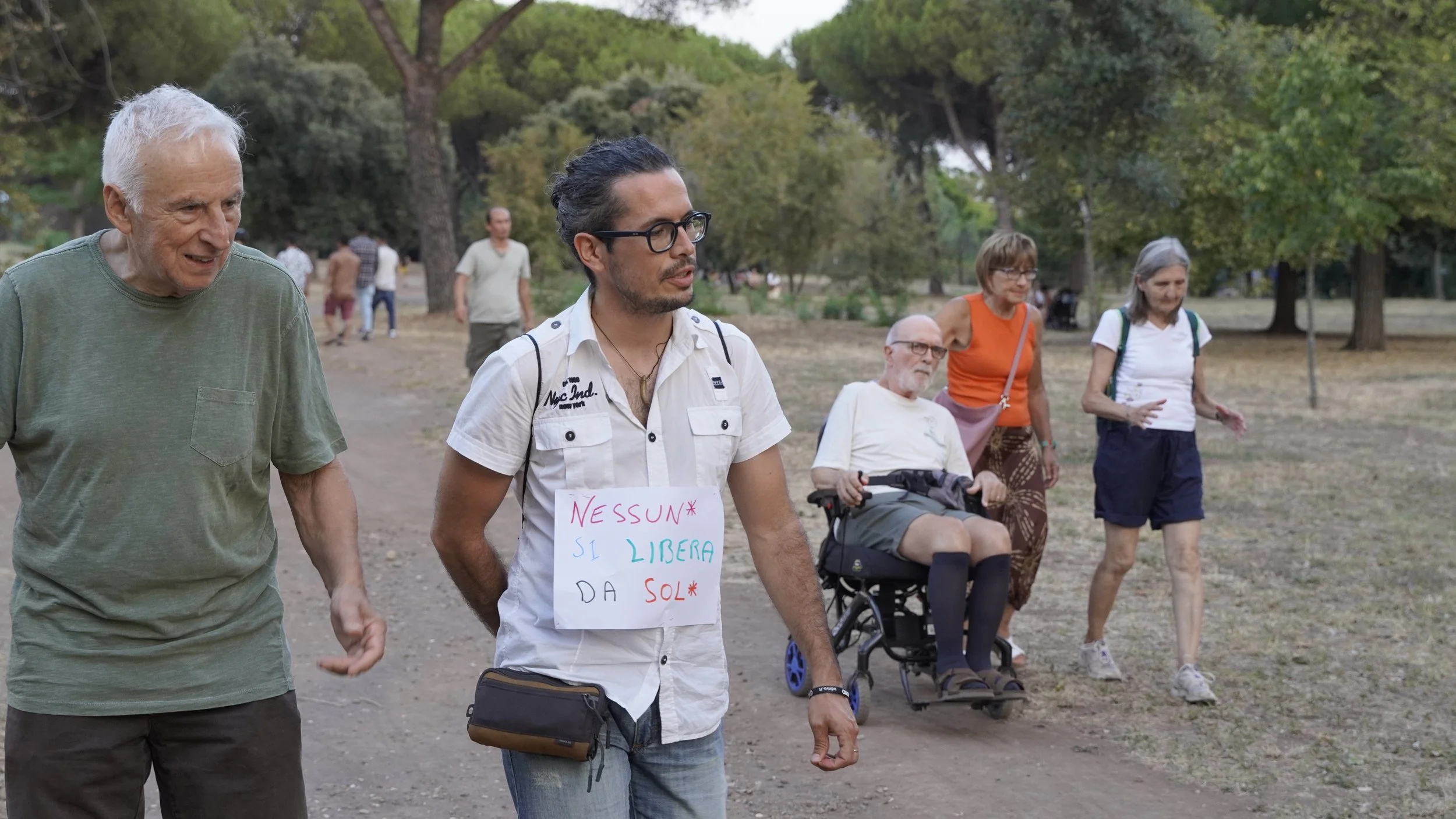
In Rome, Habiba gathered a group of 25 people at Parco degli Acquedotti at 19:00. Despite taking place in the evening, it was still hot outside. Participants included Italian, Afghan, and Iranian men and women. They started the event by writing small banners in support of women in Afghanistan.
“It was a pretty emotional event to me because not everyone was an athlete but they showed up to support Free to Run’s work and support women.” - Habiba, Underground Run Leader, Rome
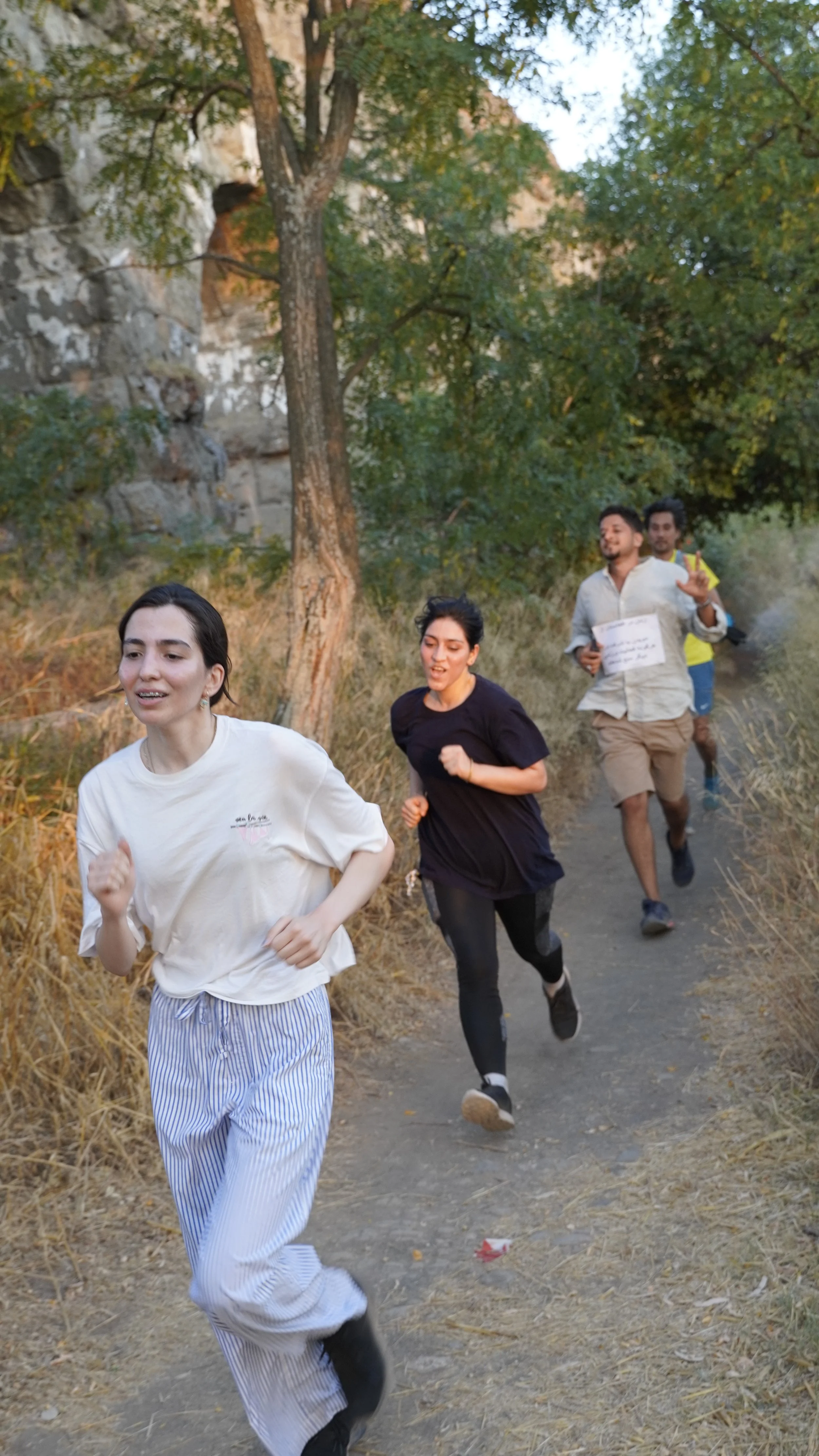
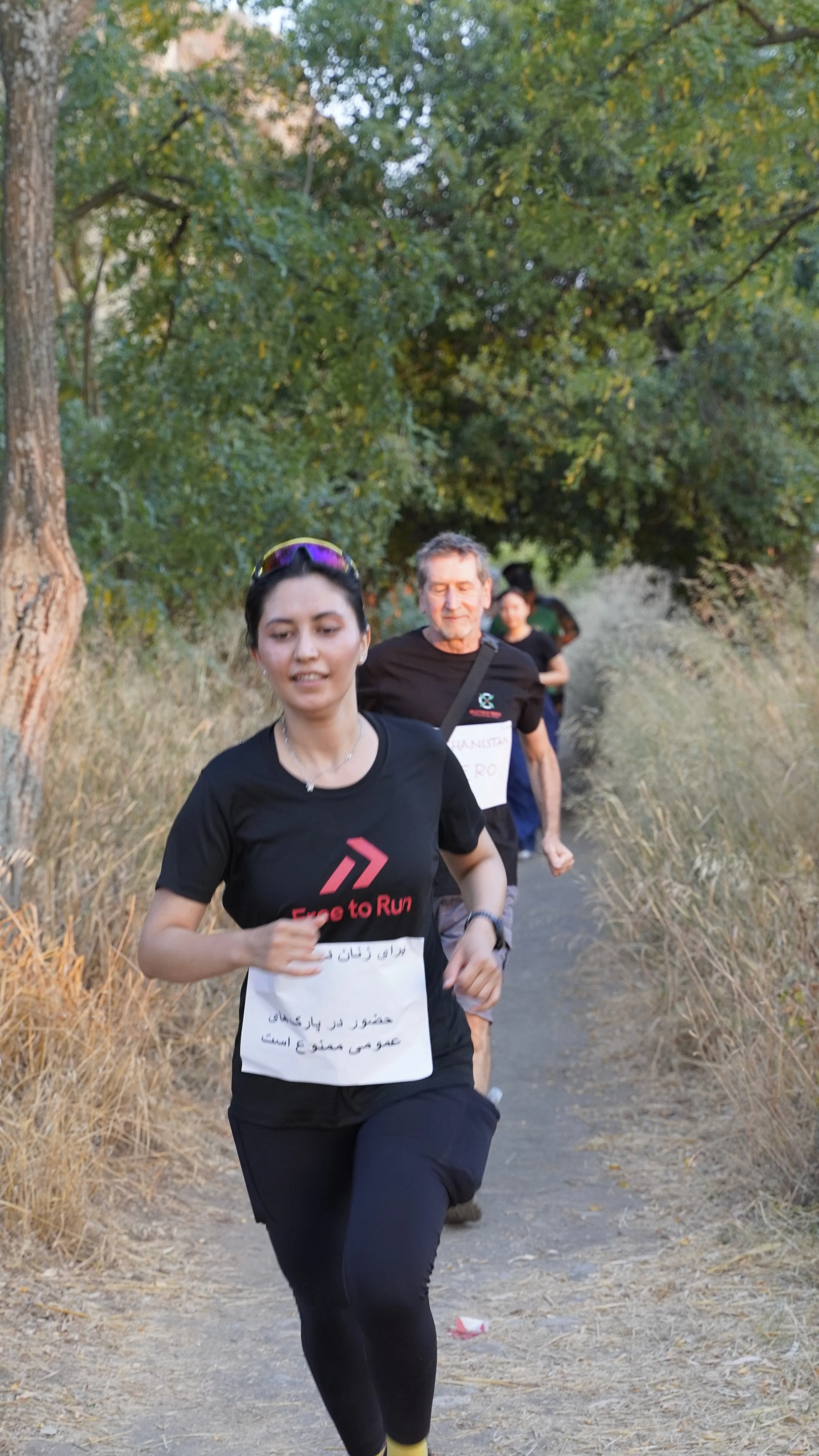
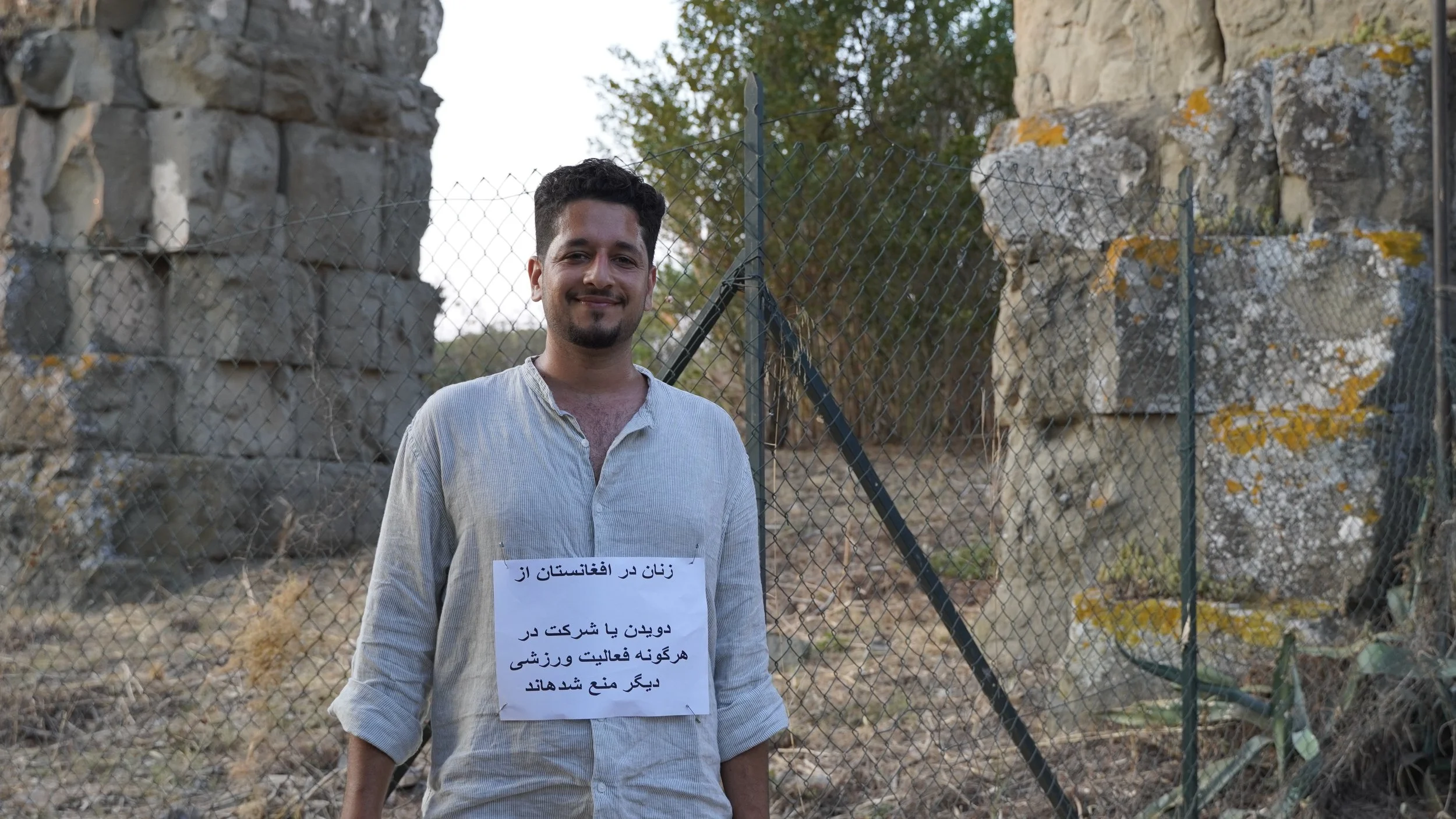
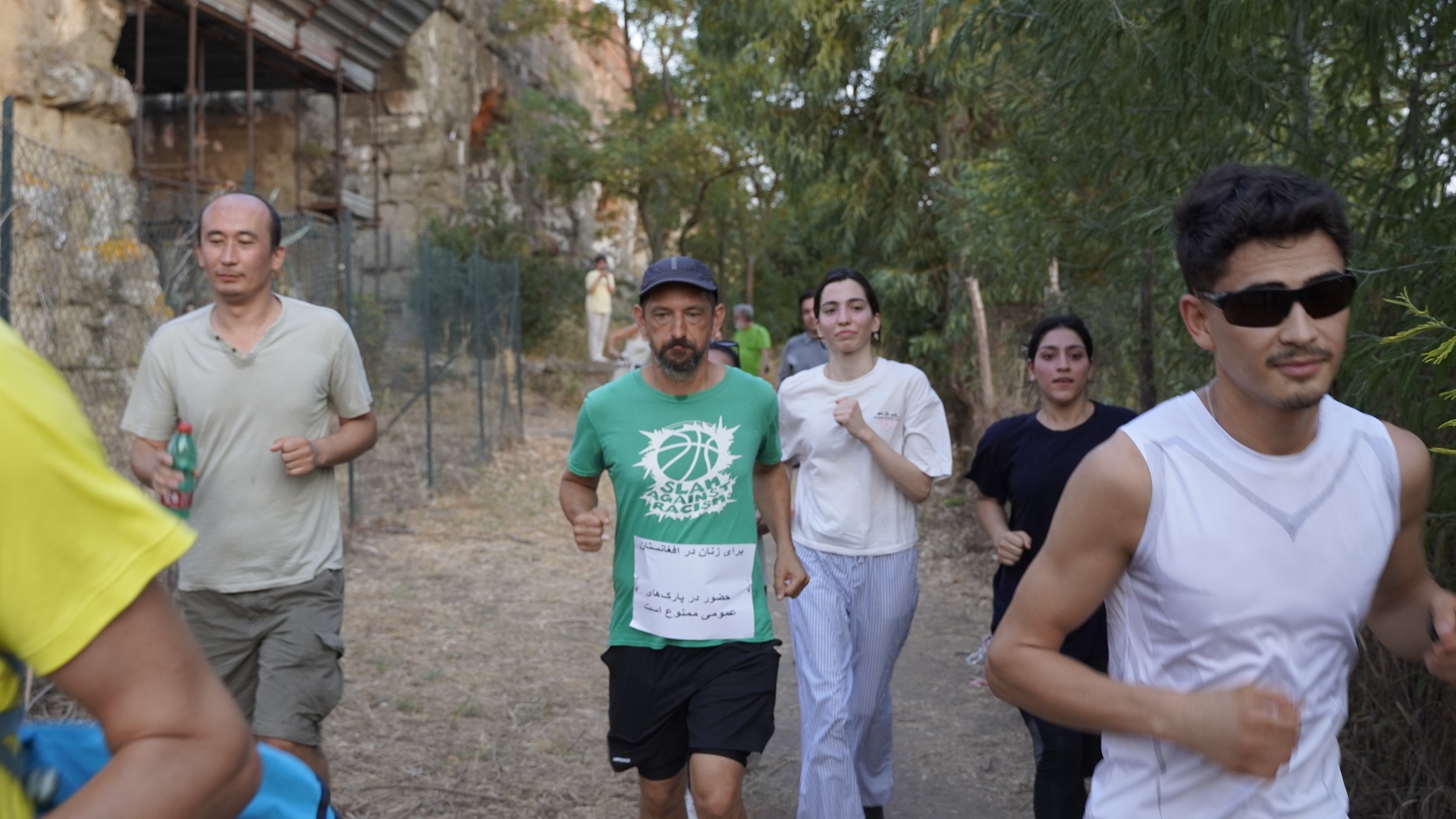
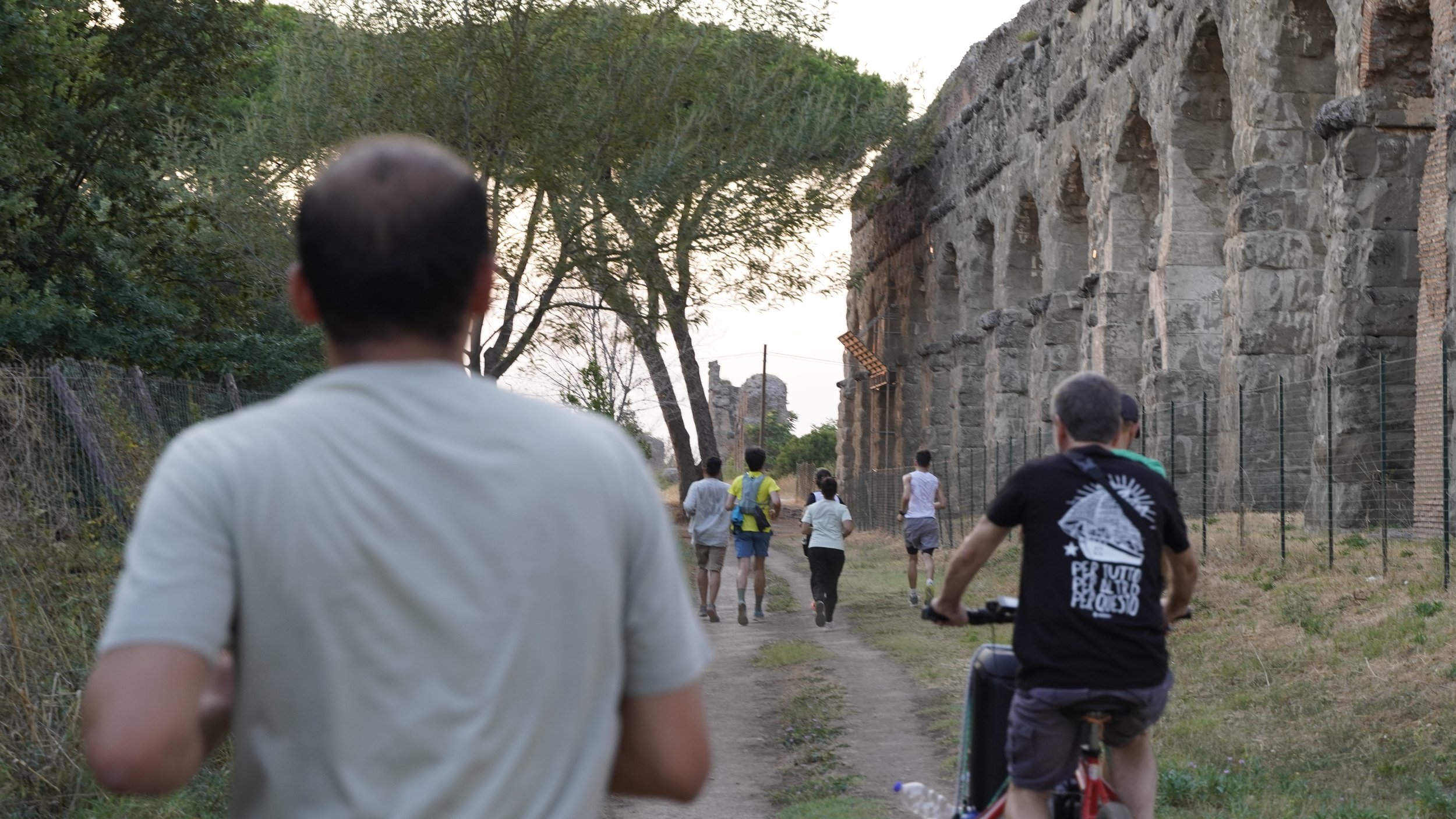
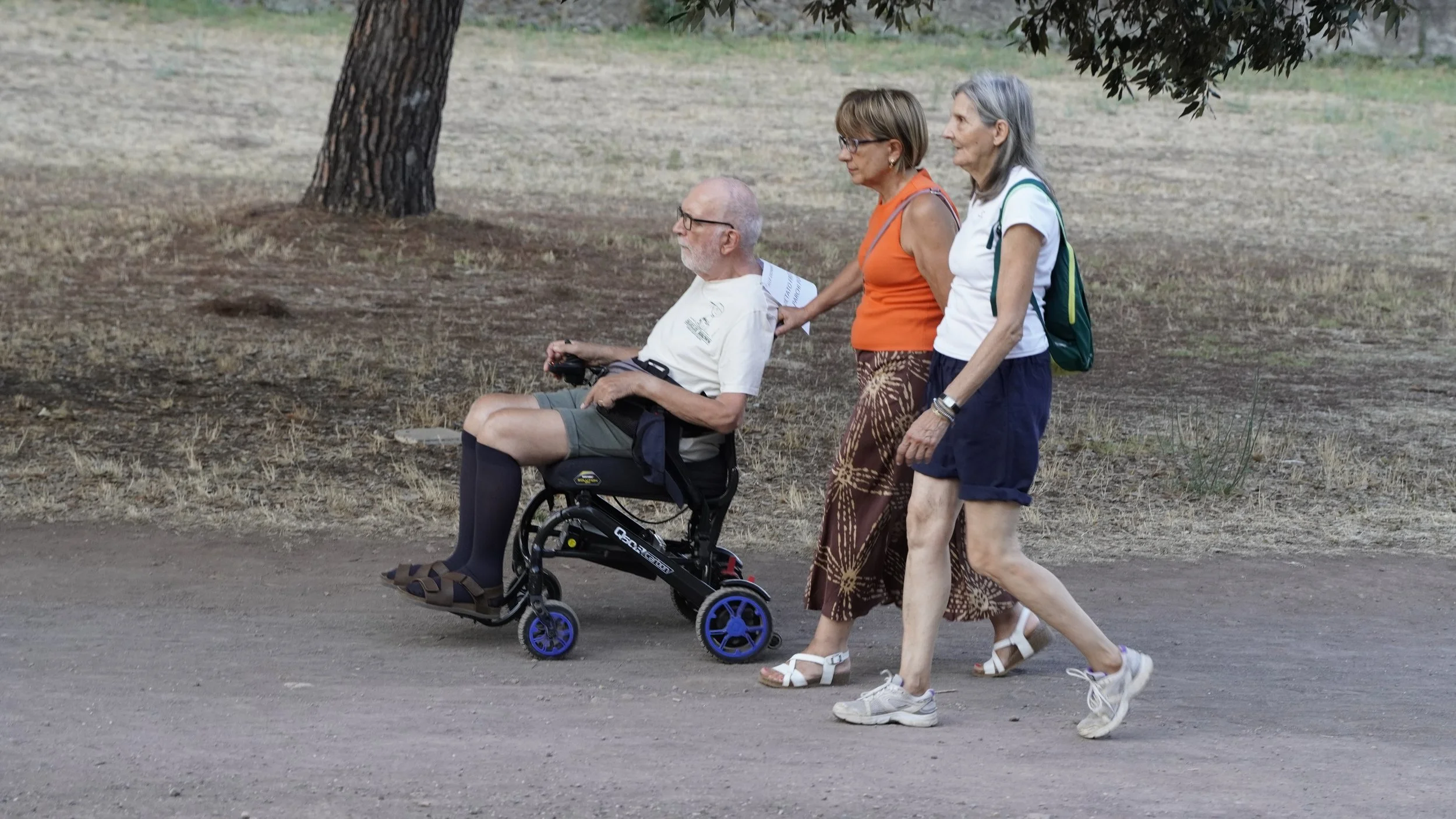
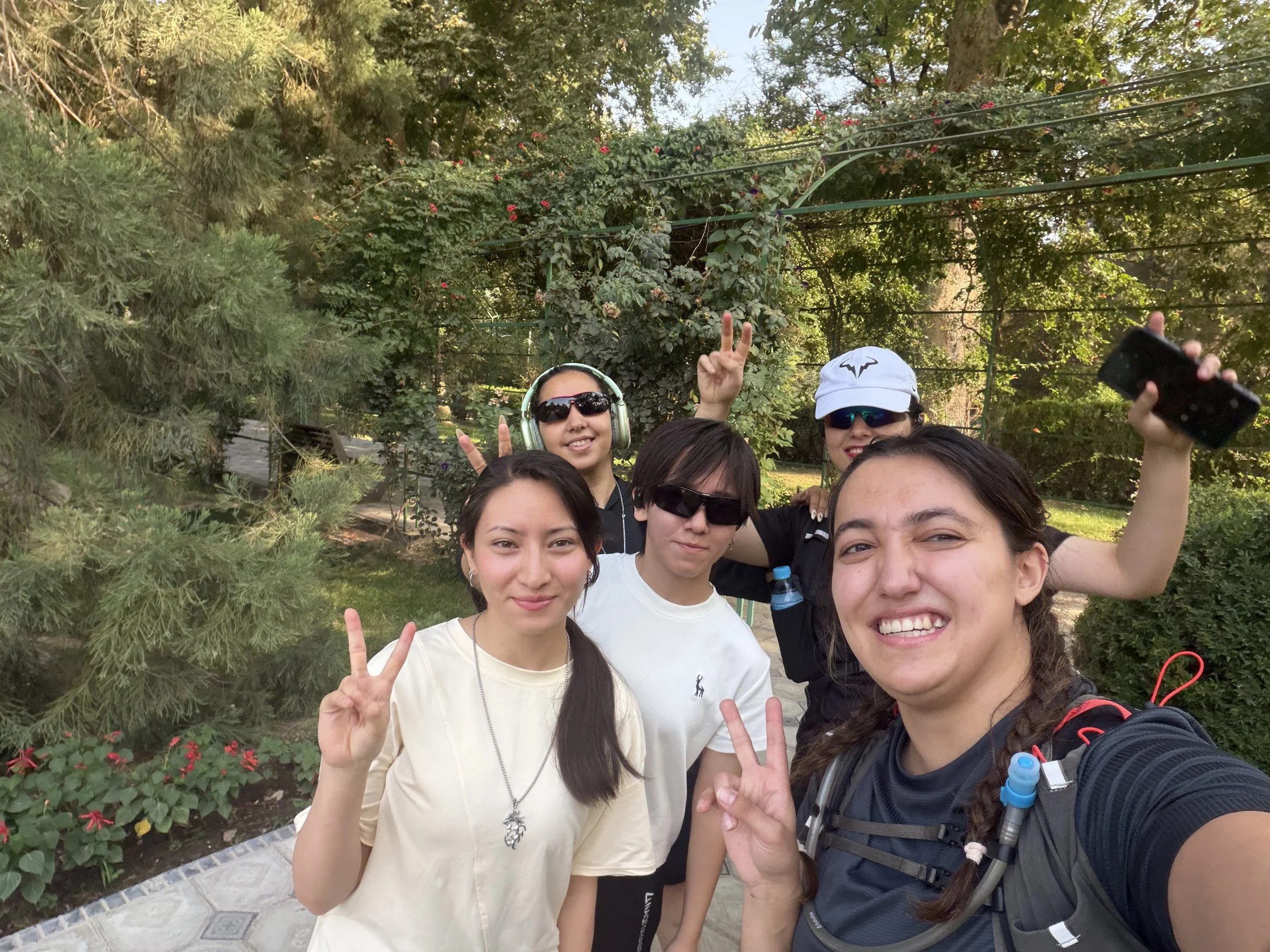
In Dushanbe, Tajikistan, as a member of the Afghan diaspora, Rooya emphasized the difficulty of feeling that there’s little she can do to help Afghan women suffering under the Taliban’s rule. However, organizing an Underground Run, she shared, was meaningful.
“ I felt so much strength with my Afghan, Iranian, and Tajik sisters in Dushanbe. There was a kinship between us and our reason for running: a reminder of what the women and girls of Afghanistan face and reaffirming our commitment to keep supporting their struggle for independence.” - Rooya, Underground Run Leader, Dushanbe
The following weekend, runs took place in Montreal, Toronto, and London.
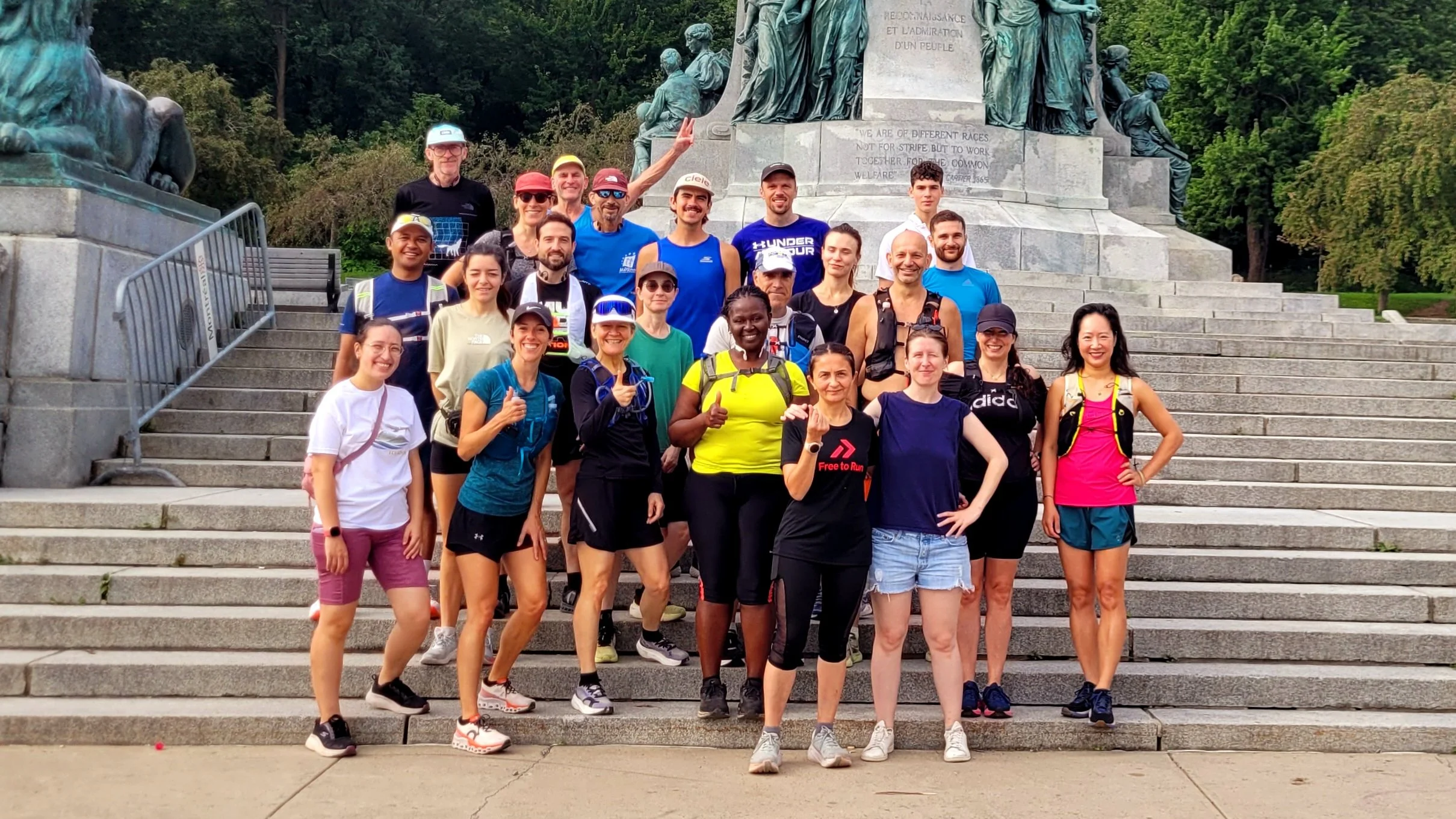
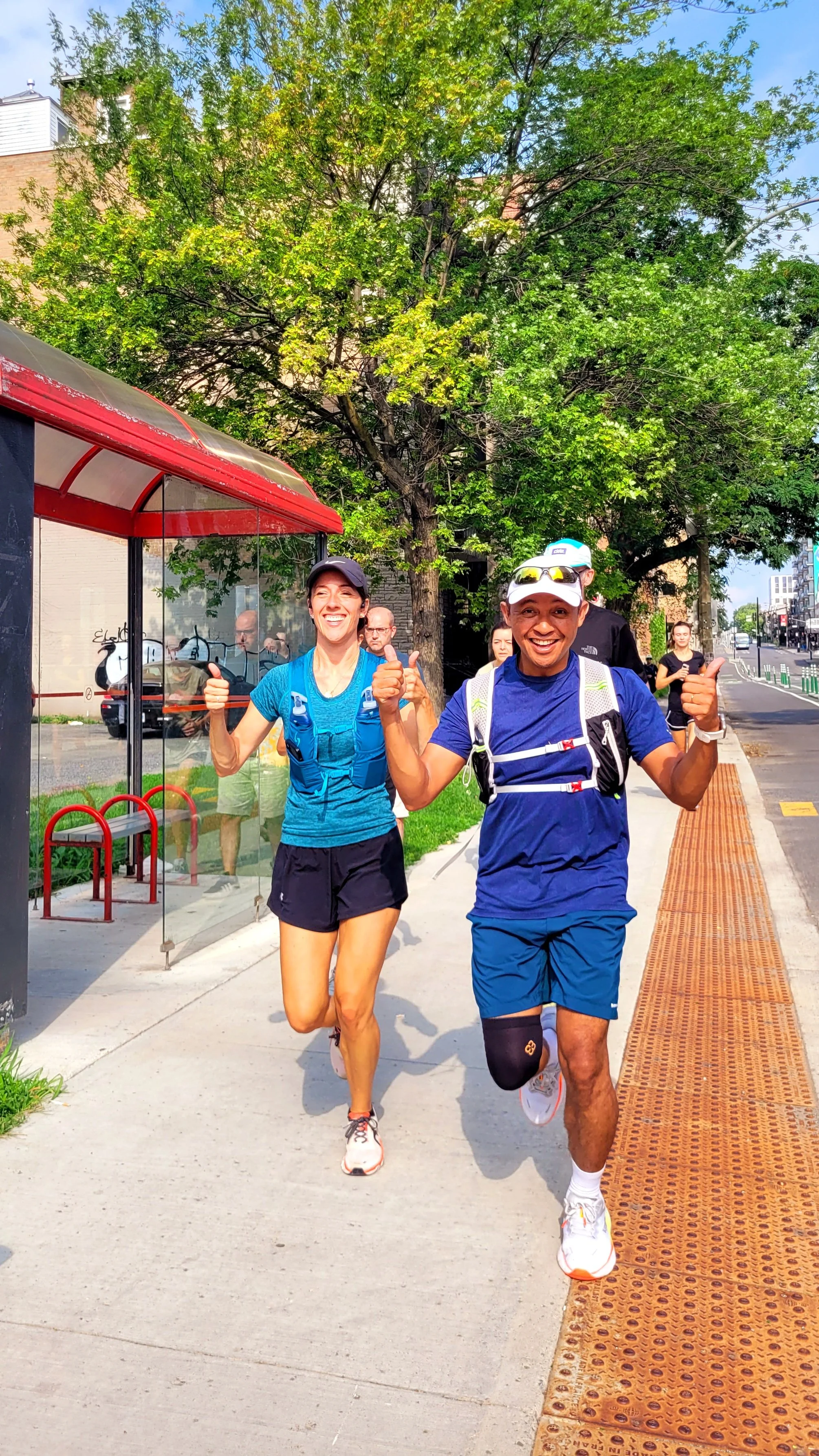
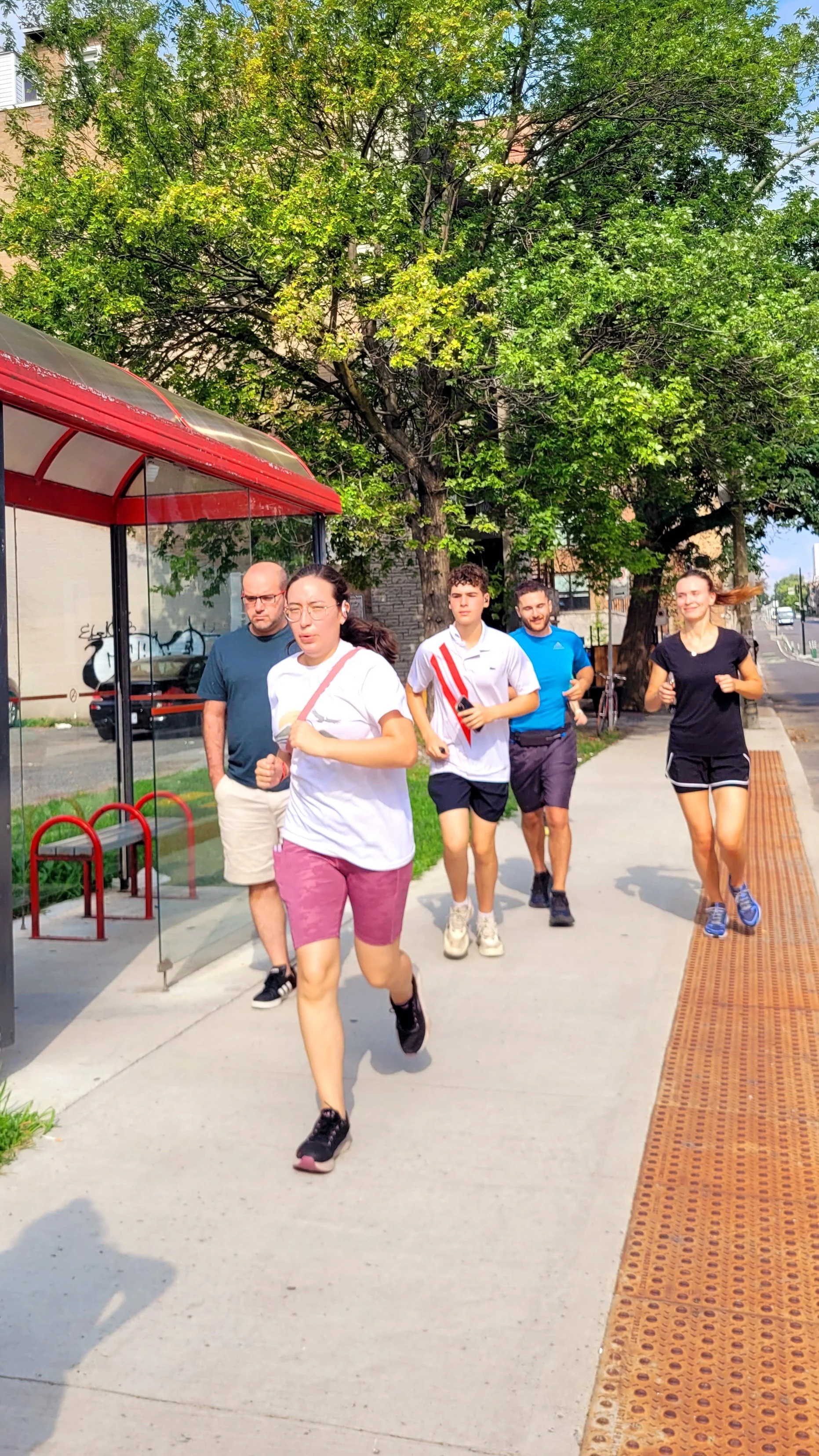
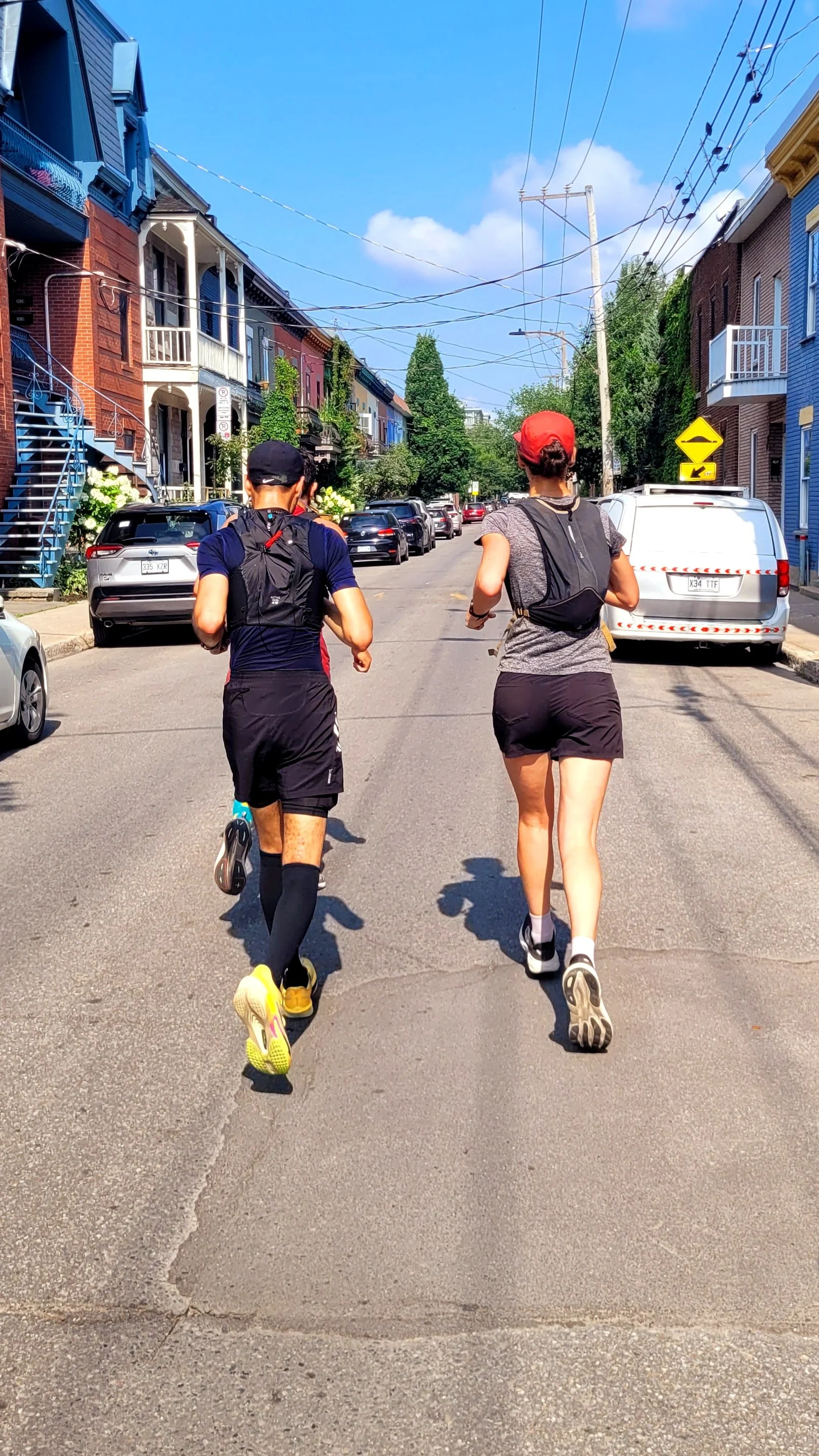
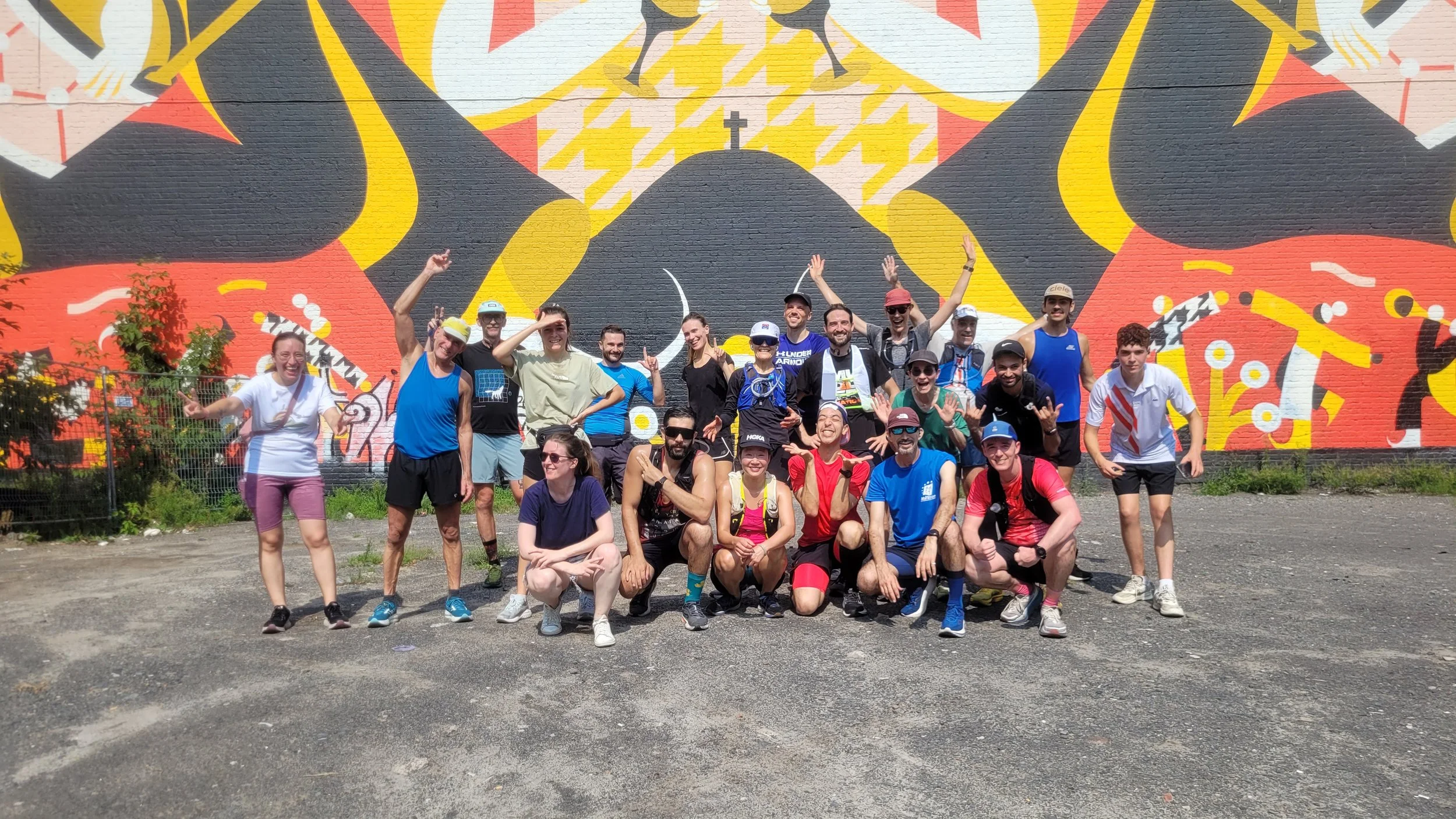
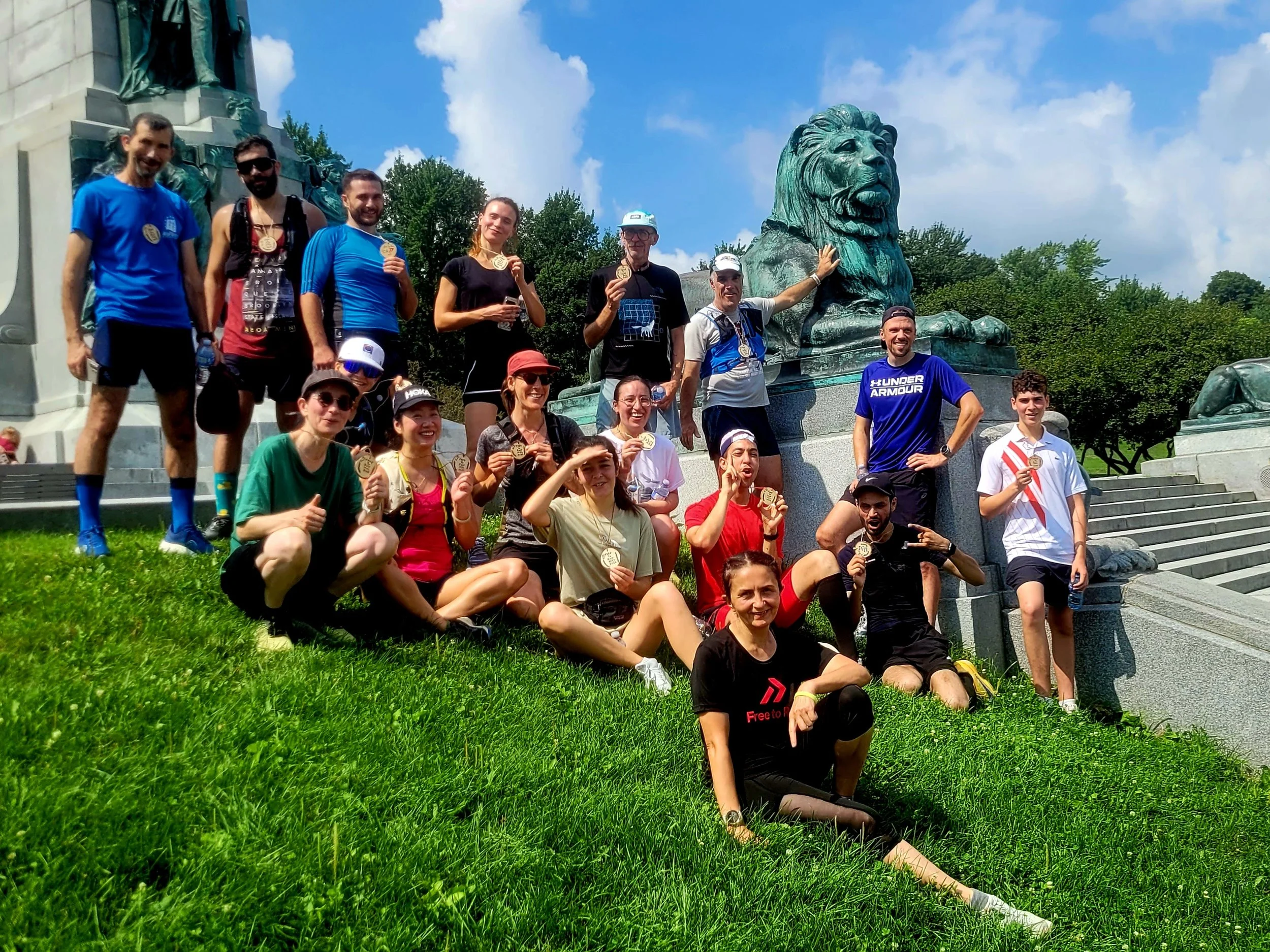
In Montreal on a hot Saturday, Free to Run Ambassador and Underground Run leader, Laila, gathered 25 runners at the Monument à sir George-Étienne. Some runners completed 10km and others ran an additional 12km to create a piece of Strava art that honored the struggle of Afghan women. All participants were offered medals by Laila, and many learned about Free to Run for the first time.
“Participants were very sensitive about Afghan women's situation and they thanked us for making them realize how critical their situation is.” - Laila, Underground Run Leader, Montreal
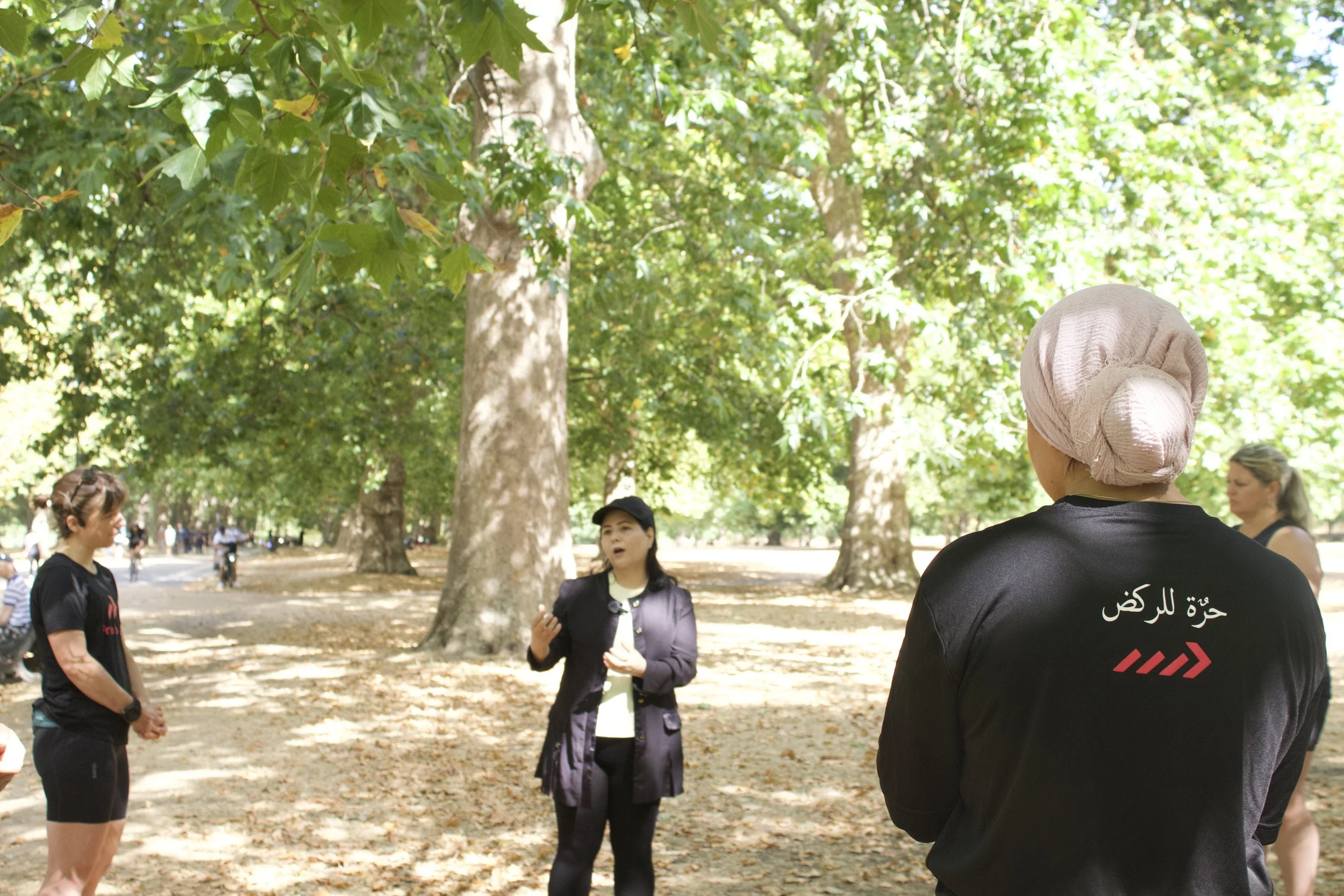
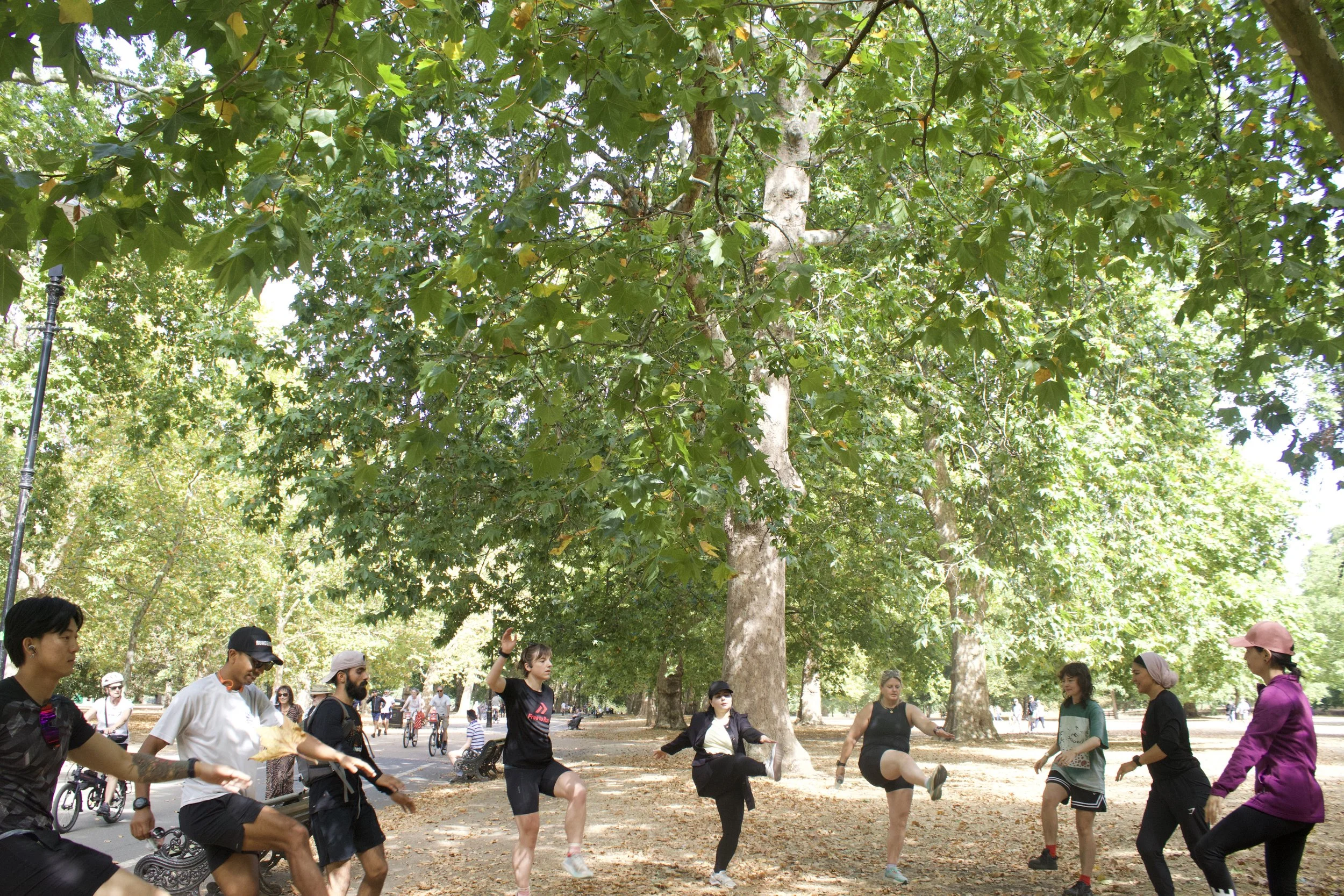
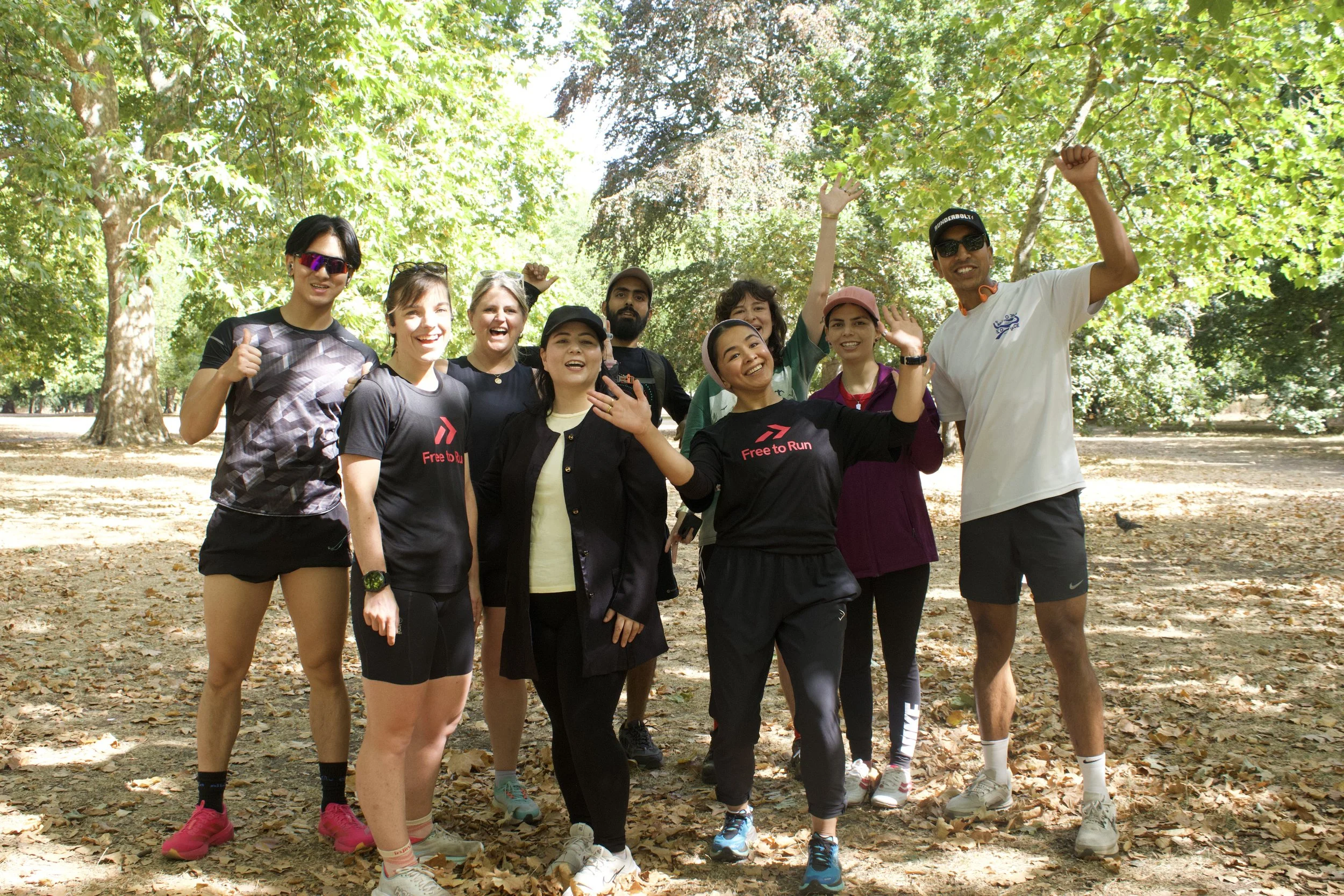
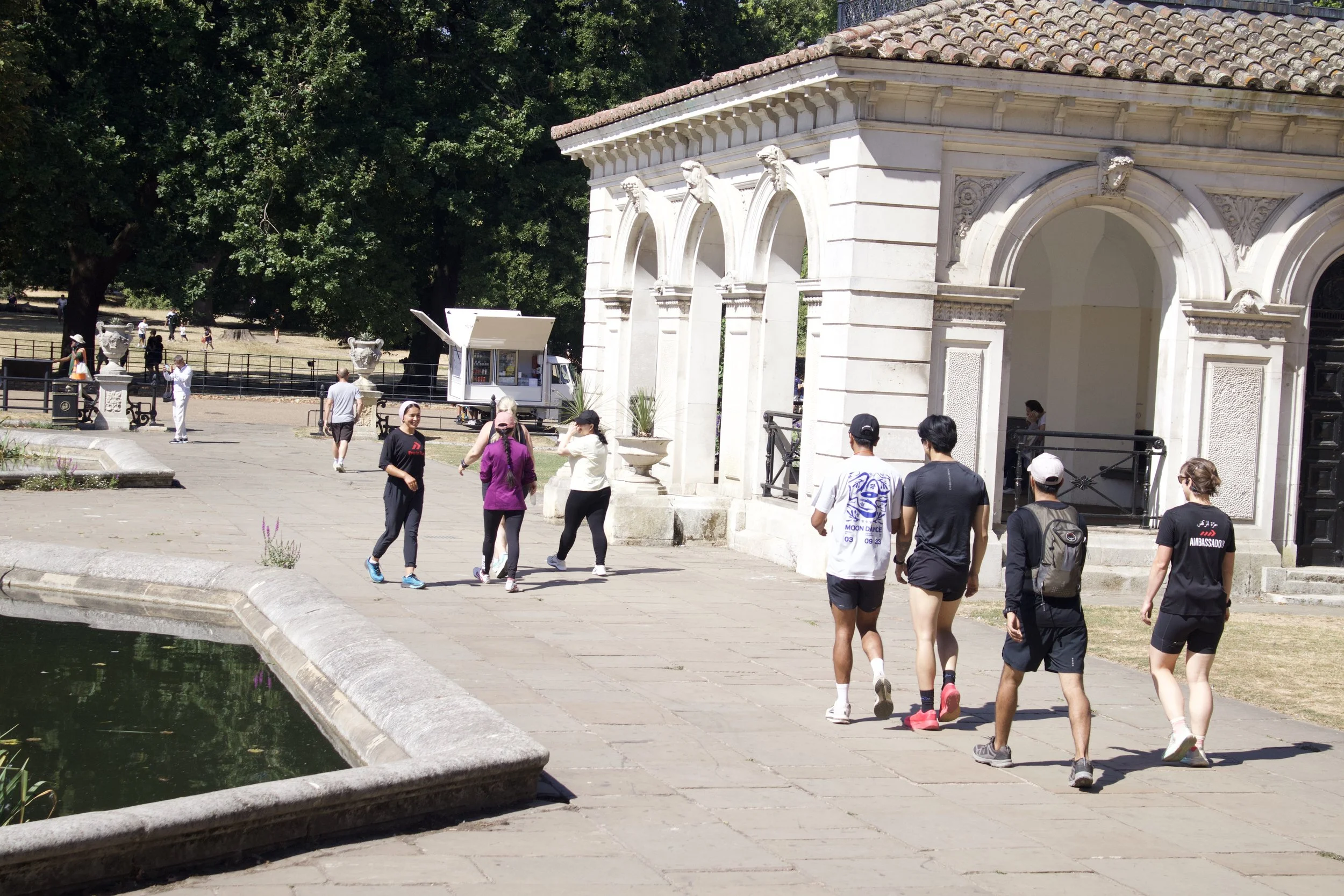
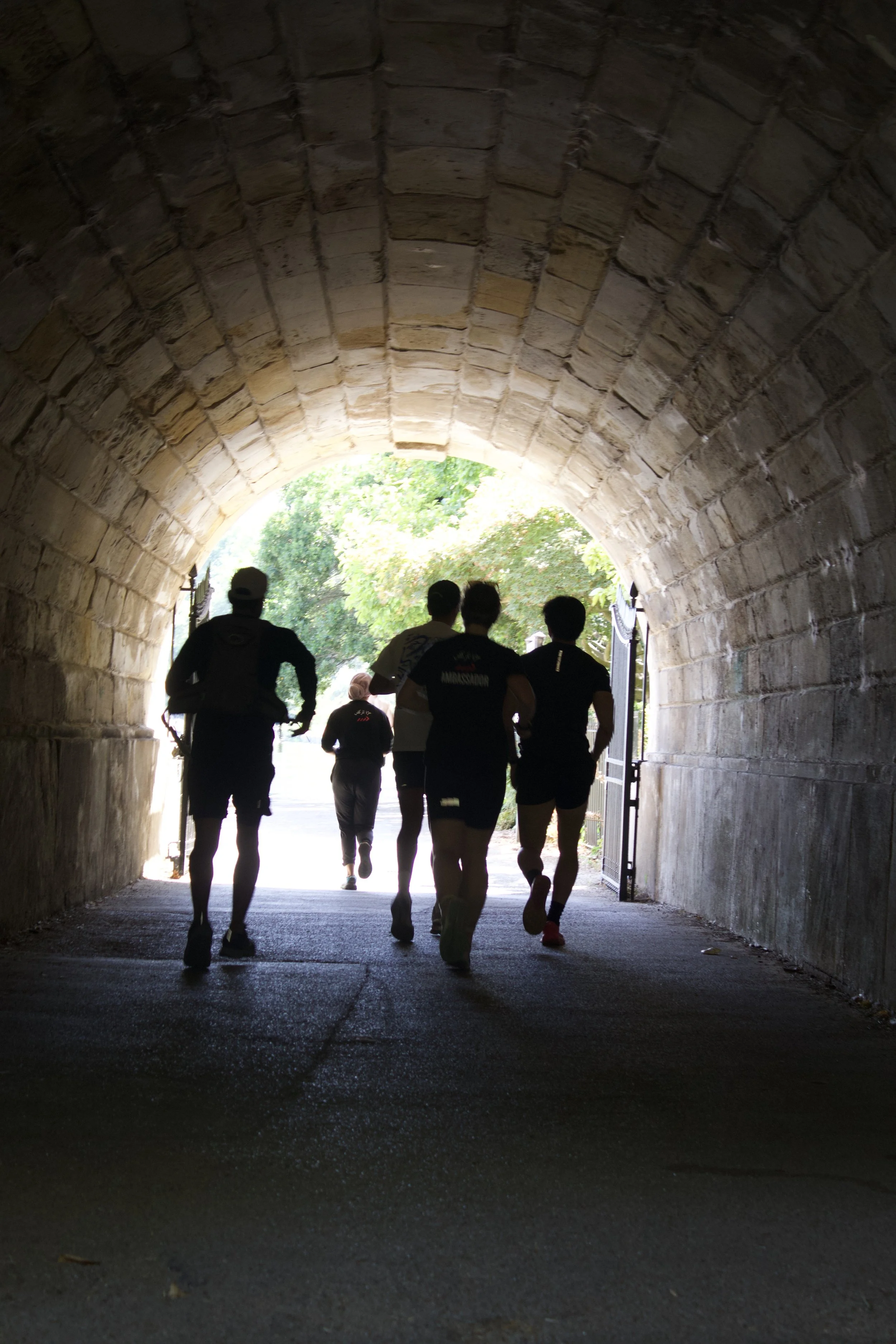
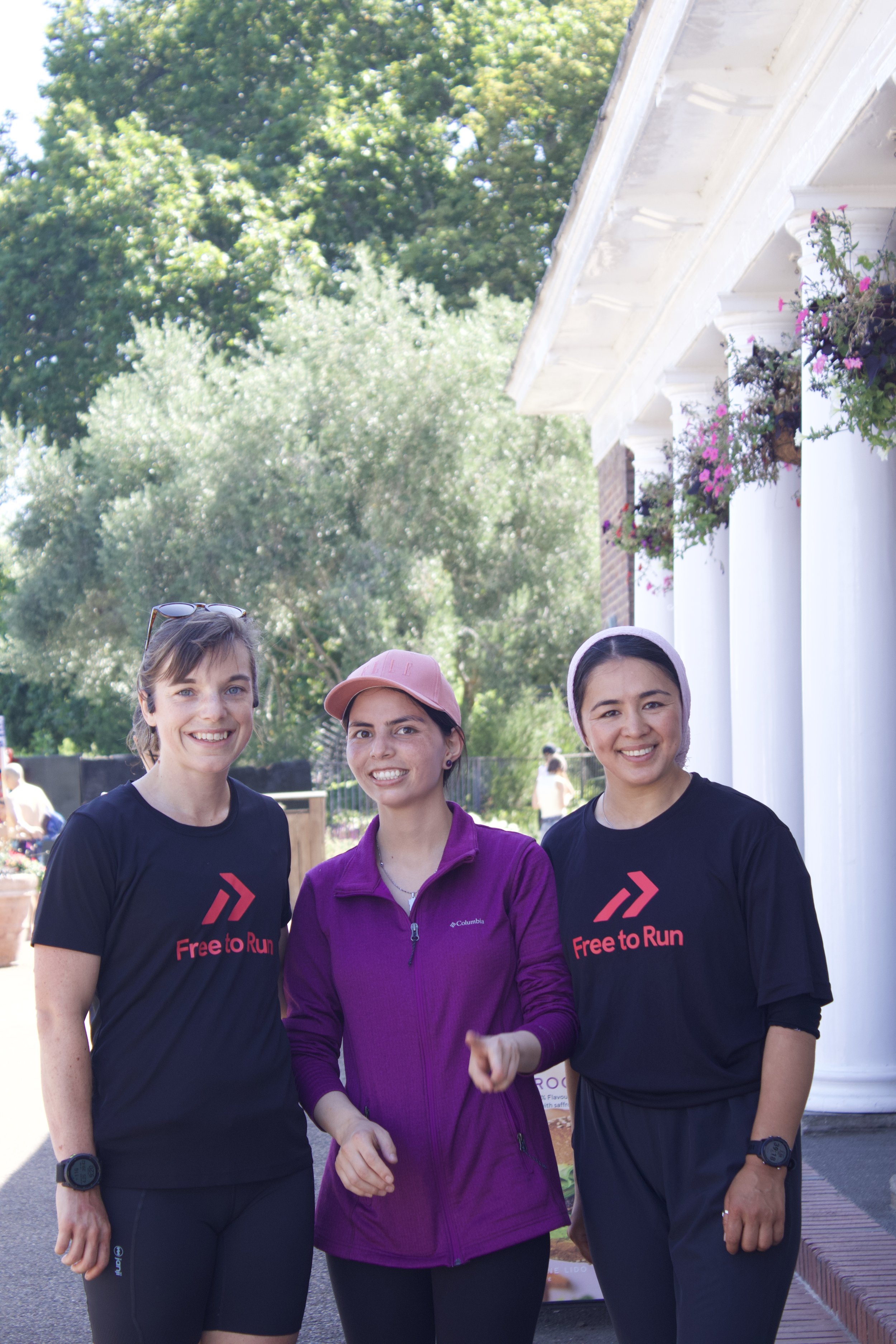
That same Saturday in London, Fatima Painda gathered a group of 17 runners in Hyde Park. A powerful introduction by Fatima and Afghan journalist and author Zahra Joya set the tone of the run before the group ran in solidarity with Afghan women. And on August 15, Fatima organized a second Underground Run in Peterborough, UK, where speakers also shared moving poetry and statements in support of Afghan women.
In Toronto, a group of eight gathered at the University of Toronto campus where Underground Run leader, Fatima, spoke about her experience as a participant in Free to Run’s programs and shared more about Free to Run’s work with the group.
“A few [Underground Run participants] did not have any running experience and our team was happily cheering them on to continue, which is my favorite part. Most of them were interested to learn more about Free to Run and wanted to get involved in other activities with us.” - Fatima, Underground Run Leader, Toronto
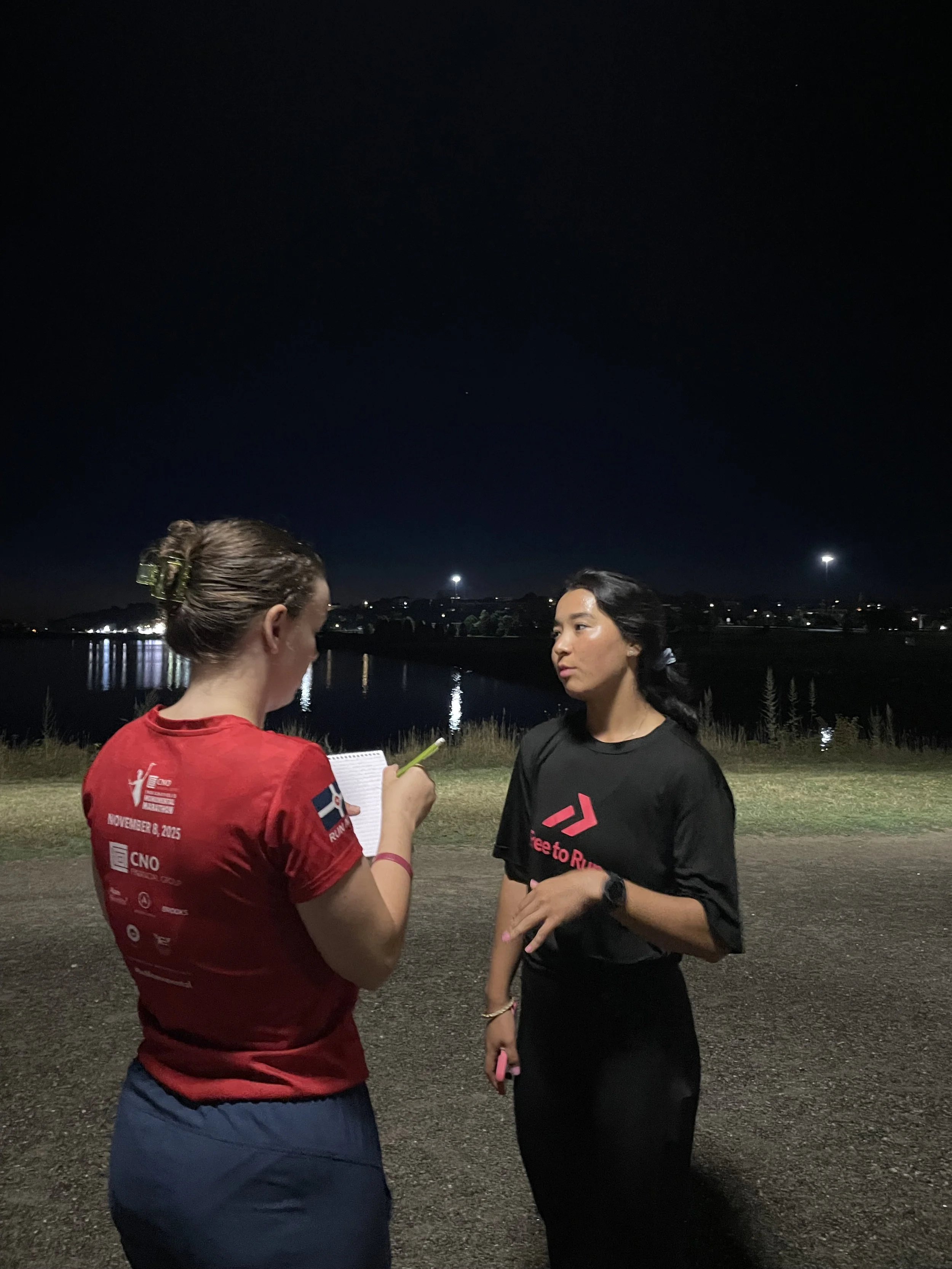
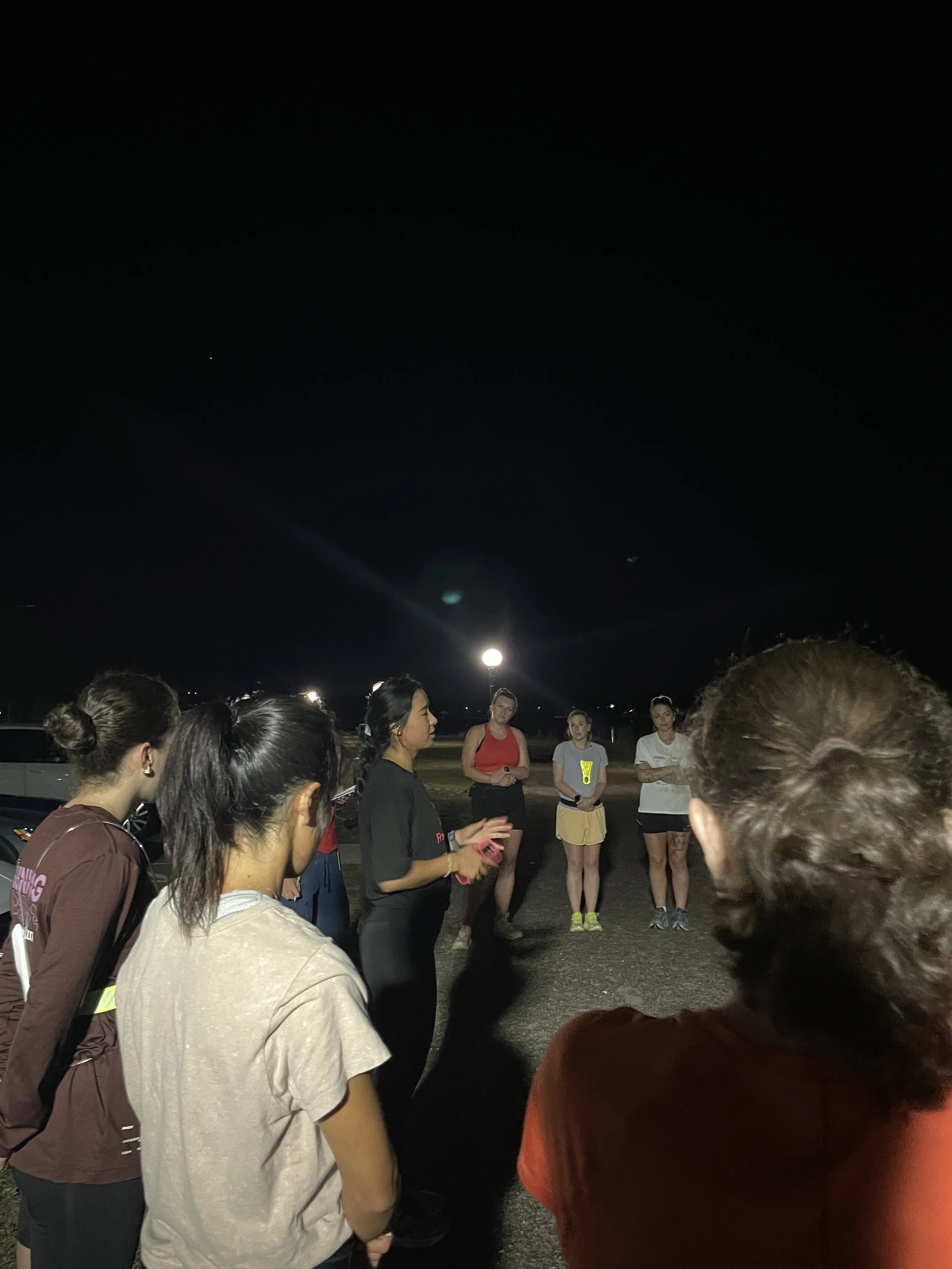
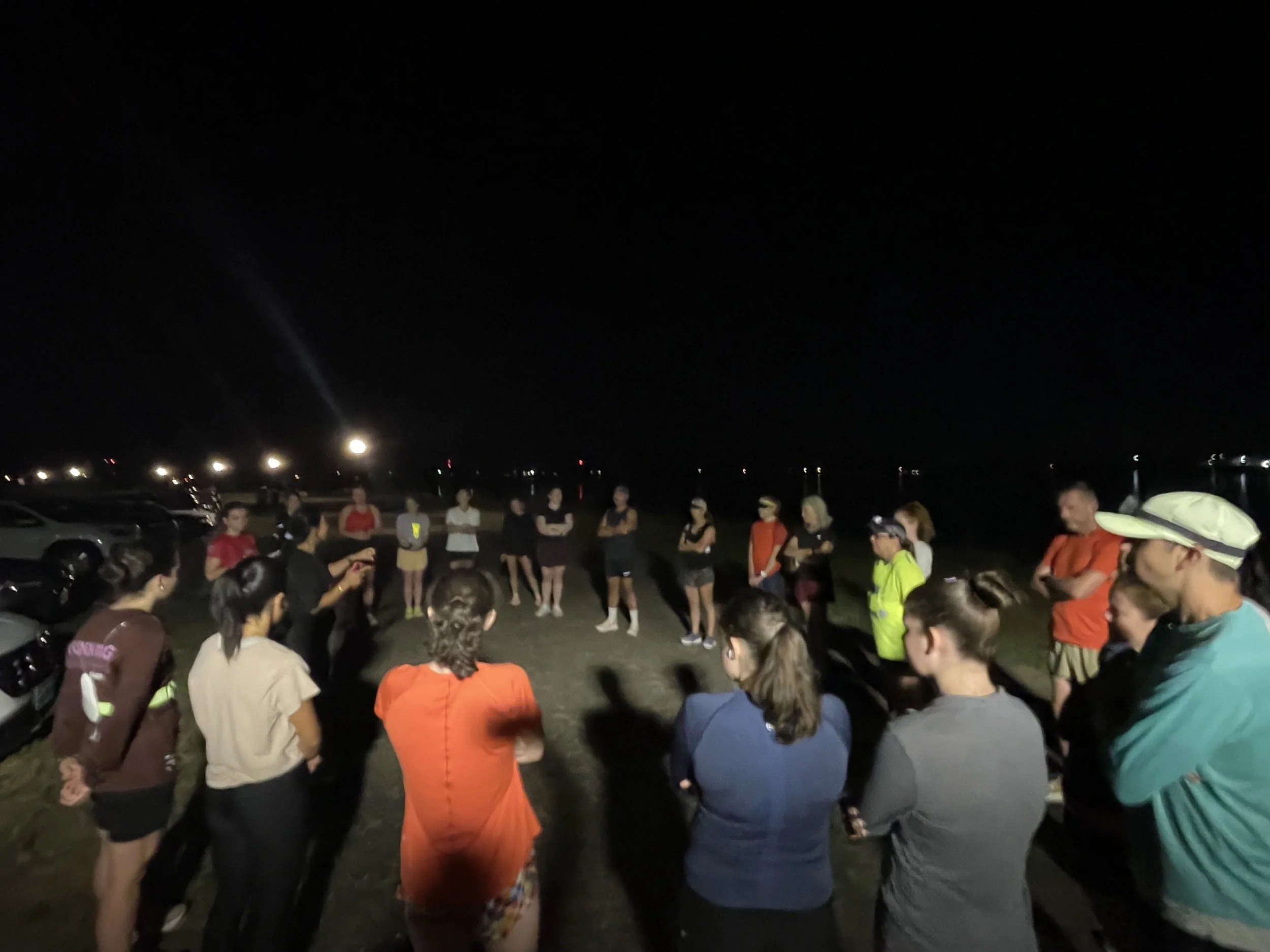
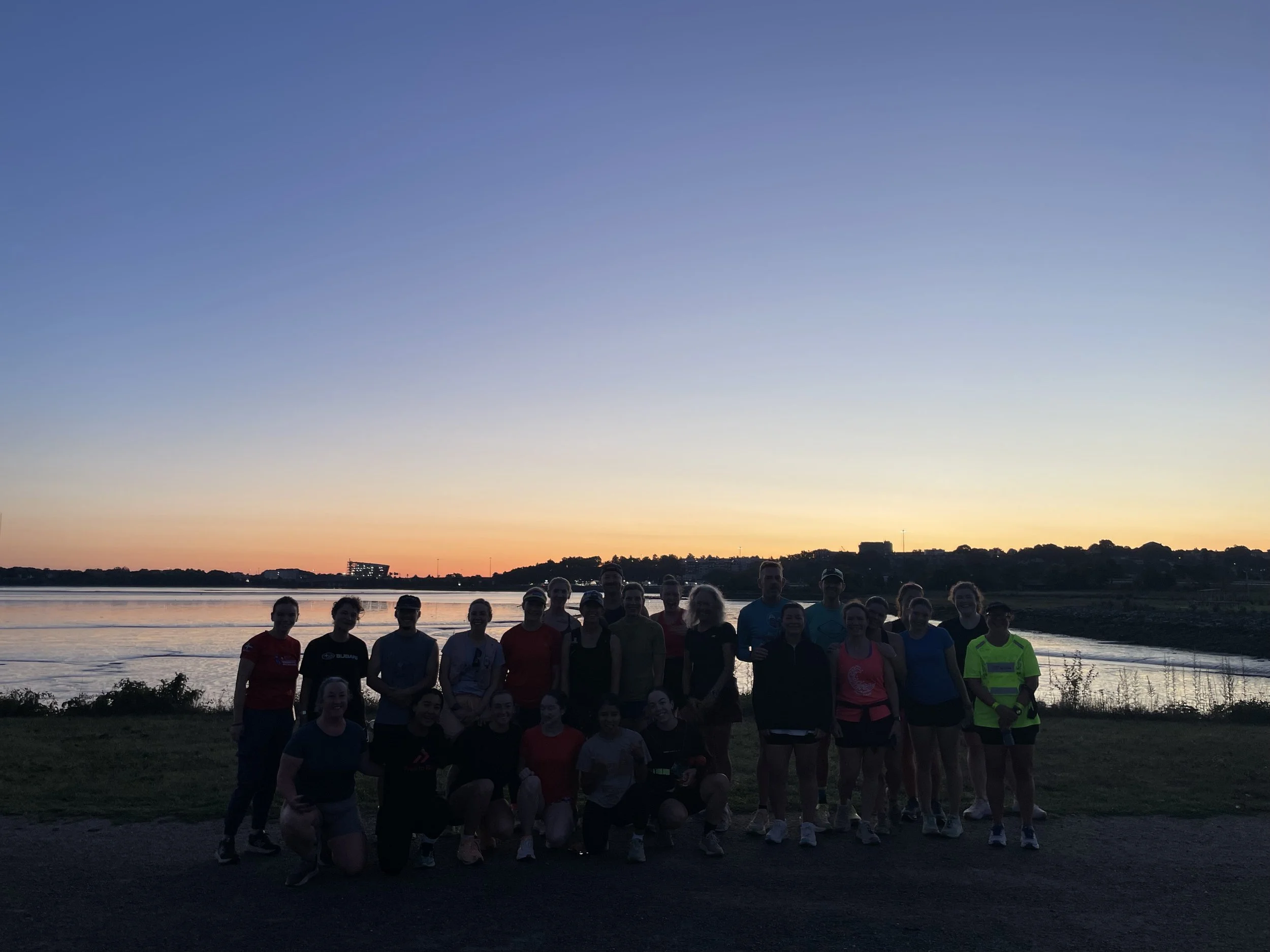
In Portland, Maine, Nadira organized a run at 4:30am, which reflected her experience as a participant of Free to Run’s program in 2019 when she and others would run before dawn in Afghanistan to avoid being seen. On the day of her run despite the early wake up time, nearly 30 people joined the run around the Back Cove trail. Participants emphasized the importance of showing up for Afghan women, and remembering that while running may seem normal for them, many women are not free to run.
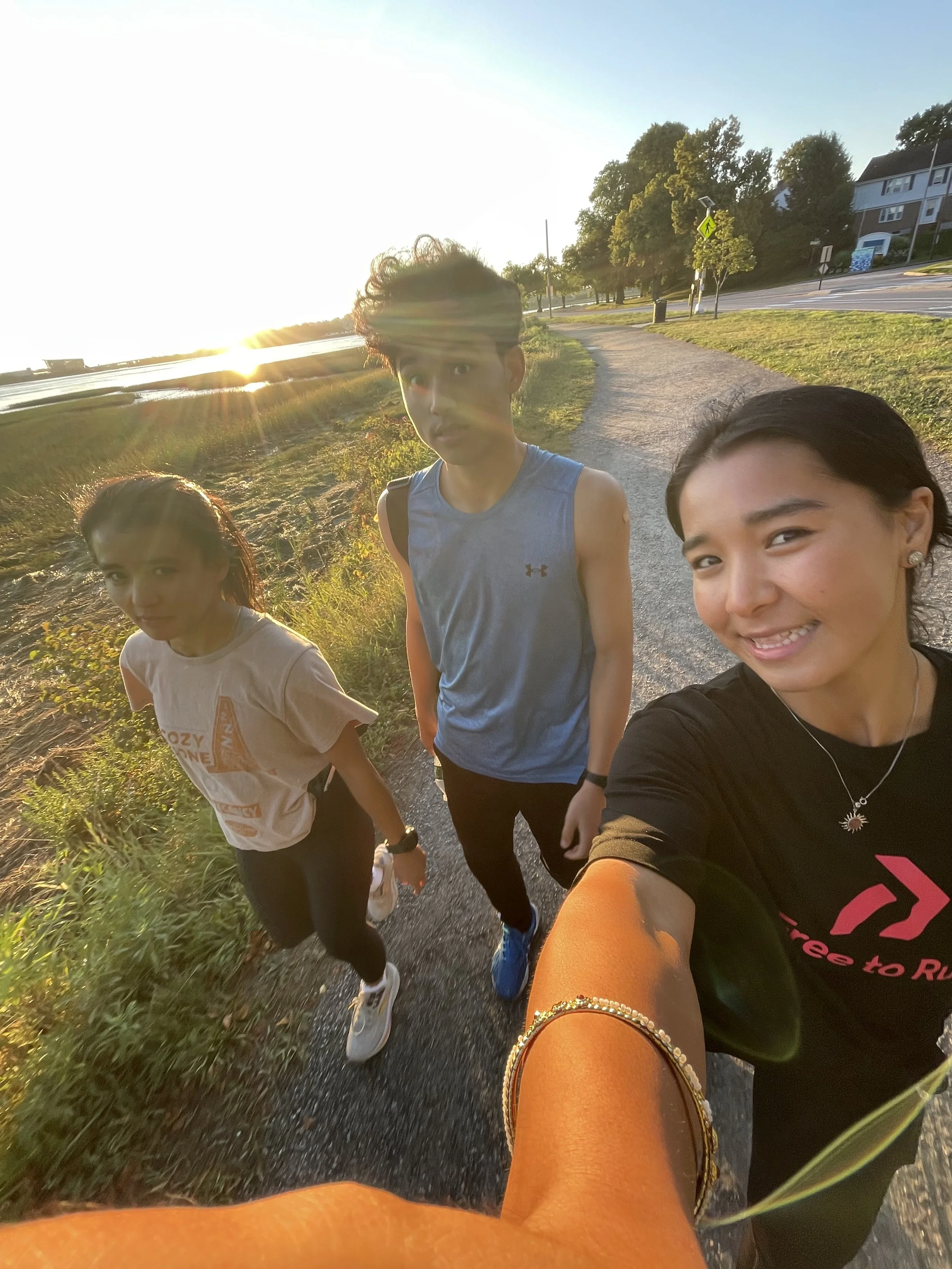
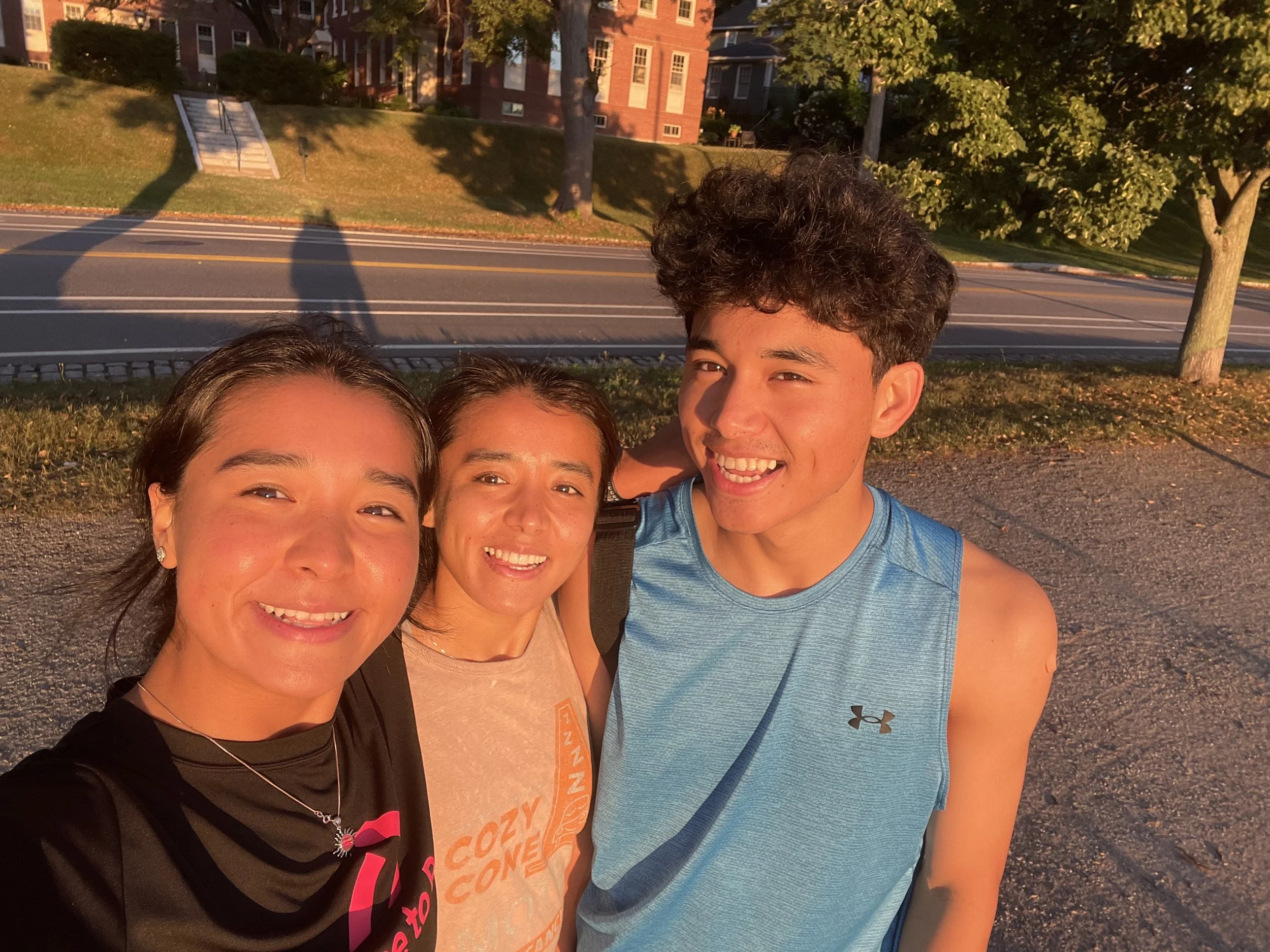
In Berlin, Hanifa organized a 5km run at Tempelhofer-feld. It was very hot and while Hanifa worried no one might show up, nearly 20 people joined in. Instead of bib numbers, Hanifa decided to have runners choose words - such as justice, equality, resilience - that represented Afghan women’s struggle for freedom.
“It was very challenging for everyone who joined. We kept thinking about Afghan women and took them with us during the run. Some of the runners were friends and friends of friends and some were total strangers who saw the poster in my Instagram.” - Hanifa, Underground Run Leader, Berlin
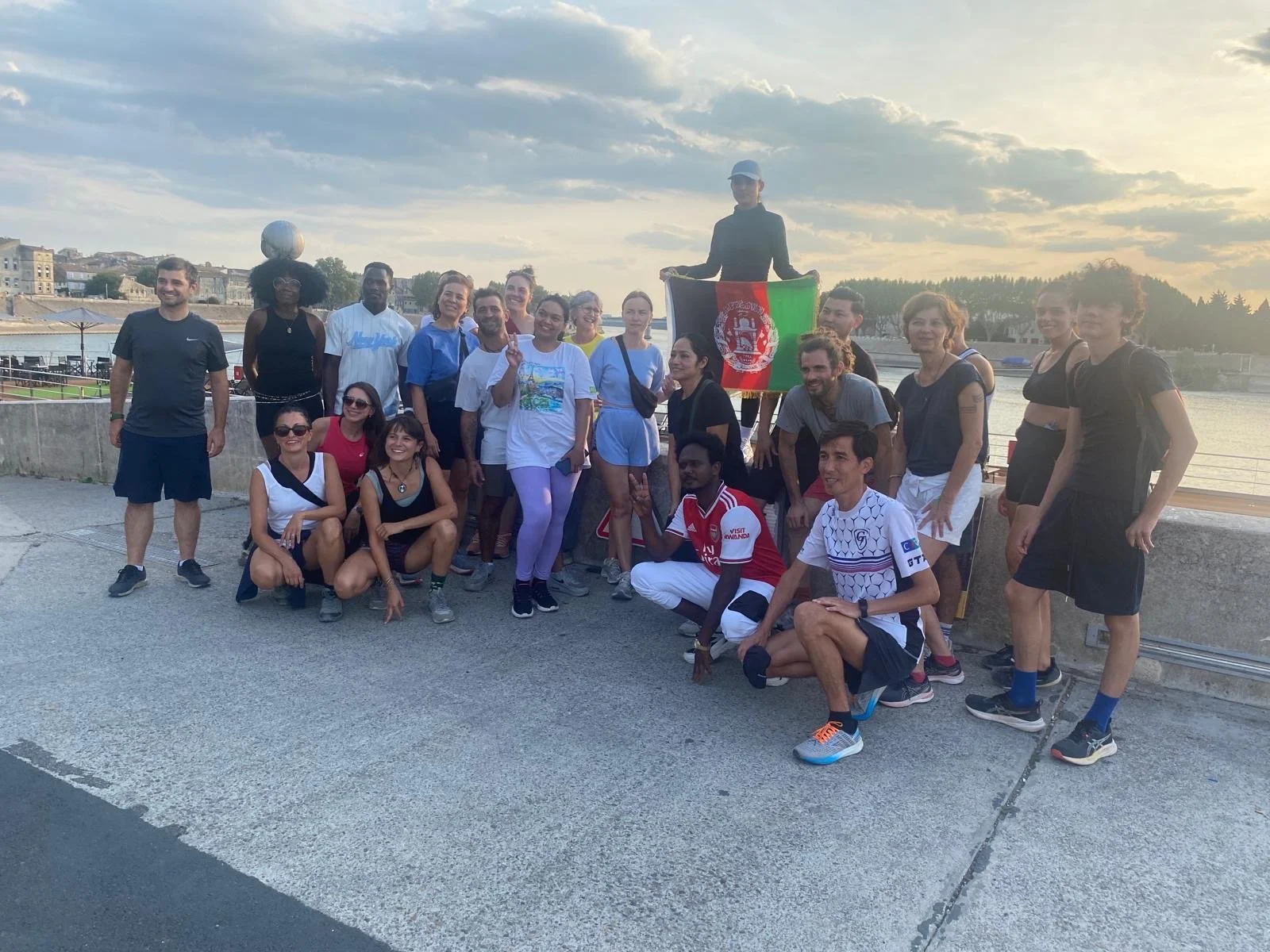
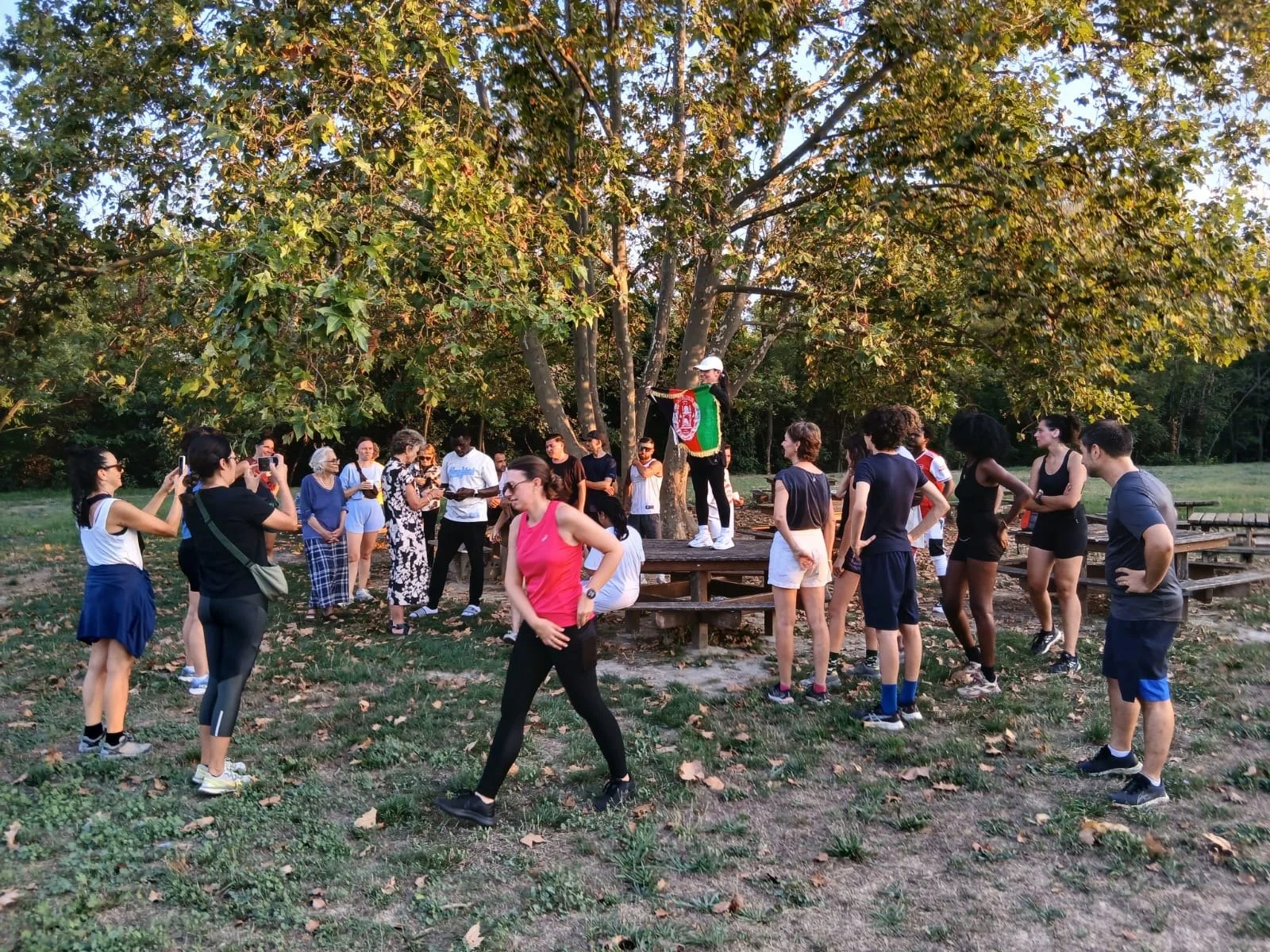
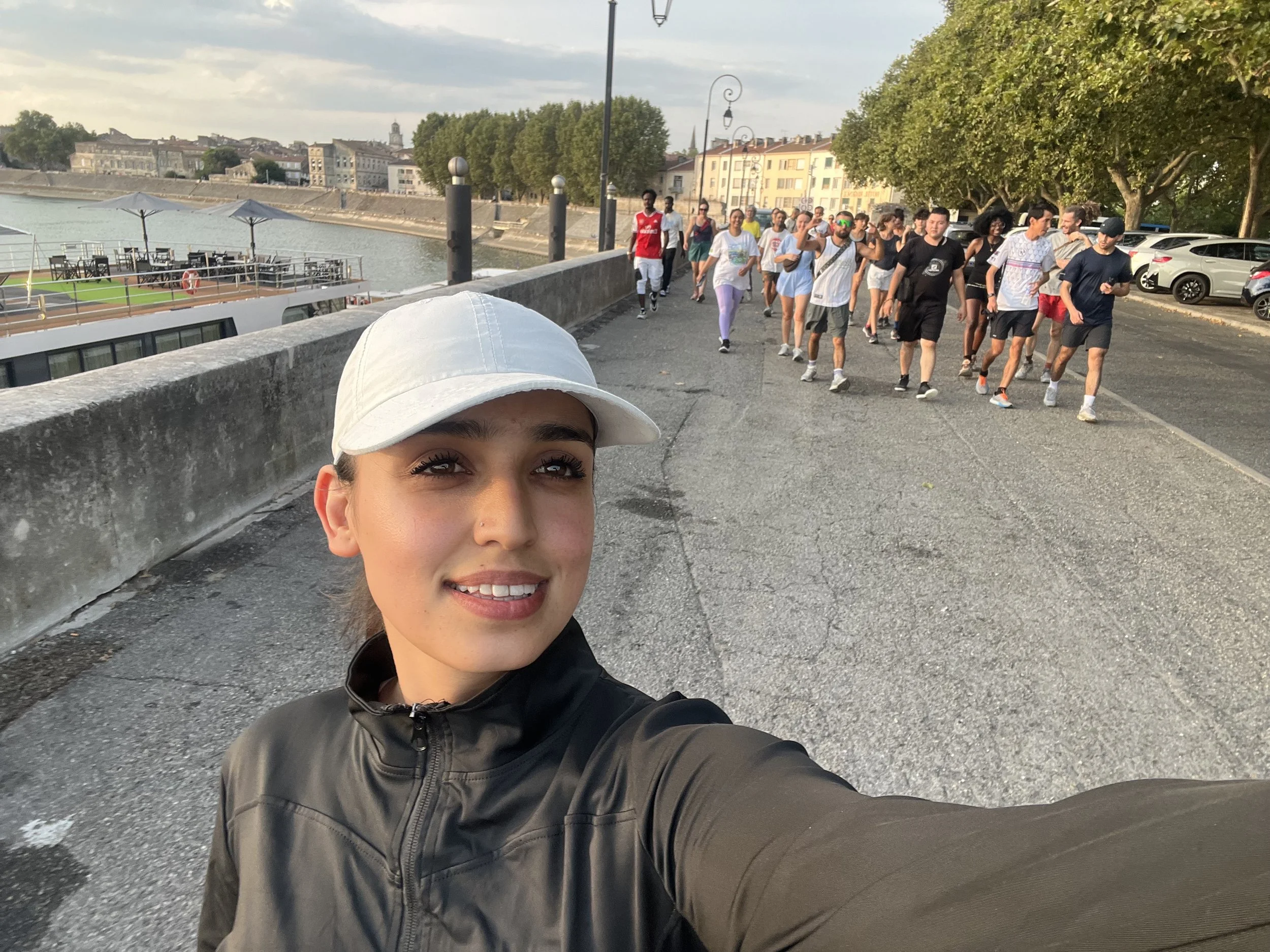
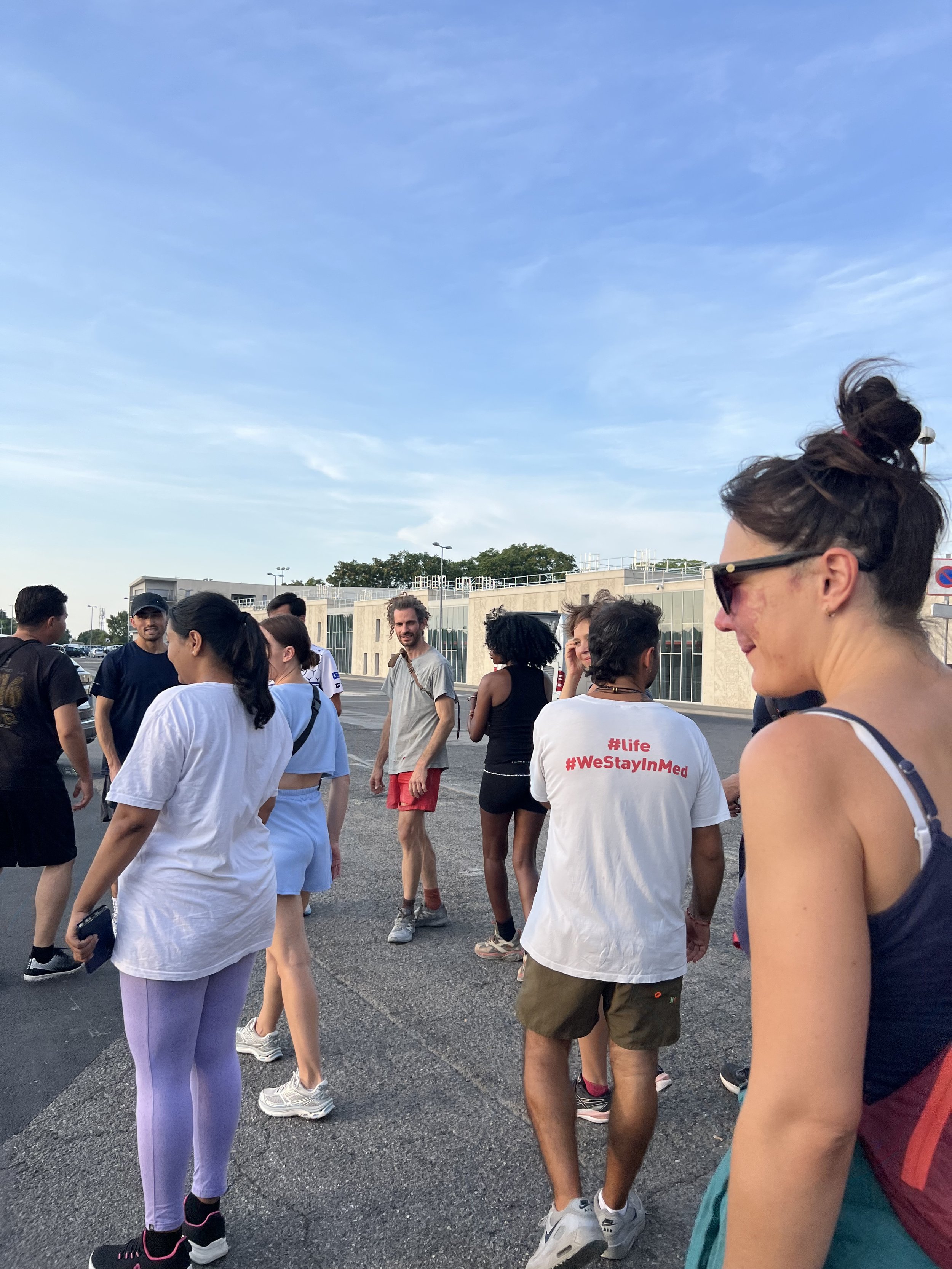
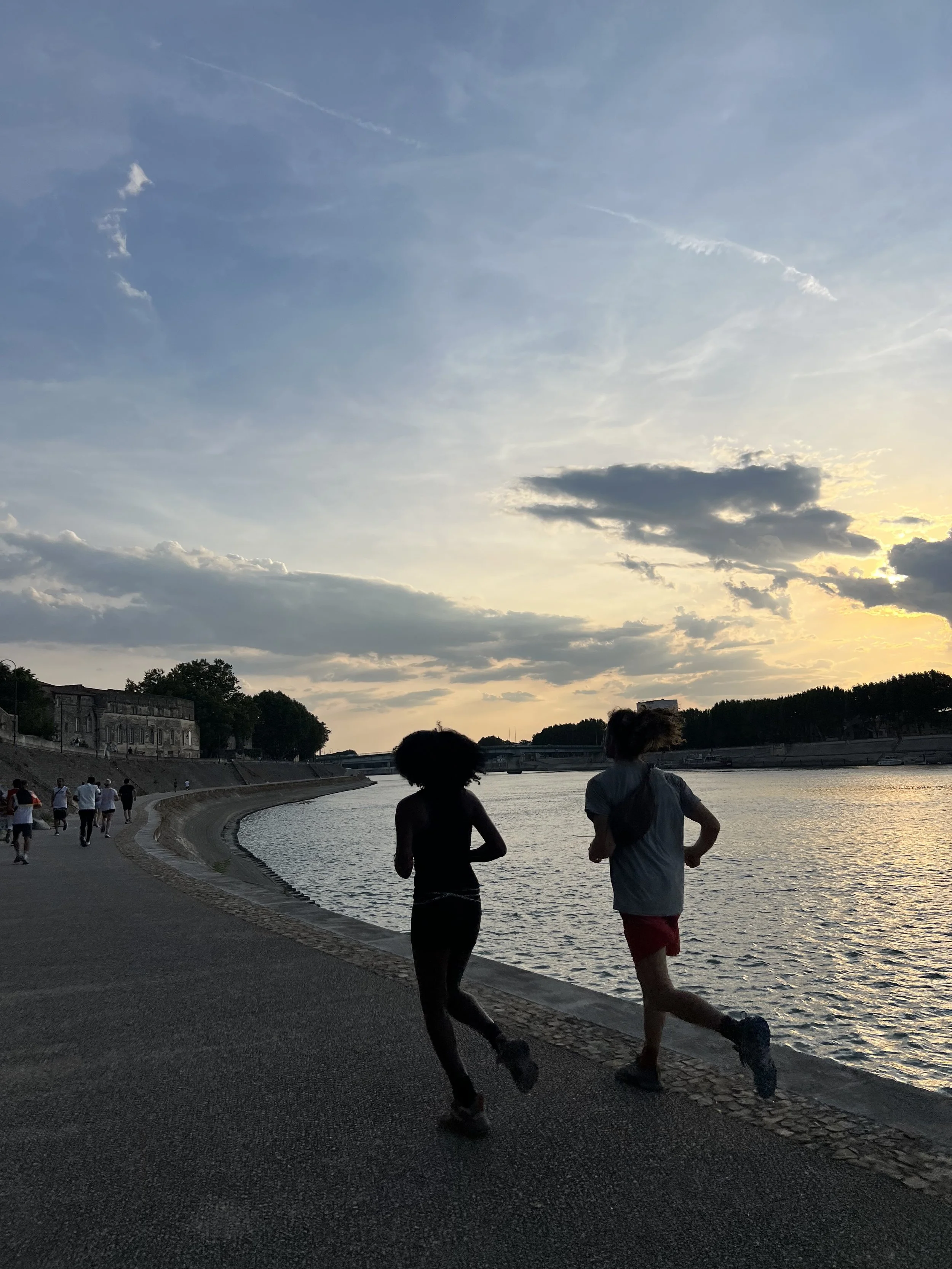
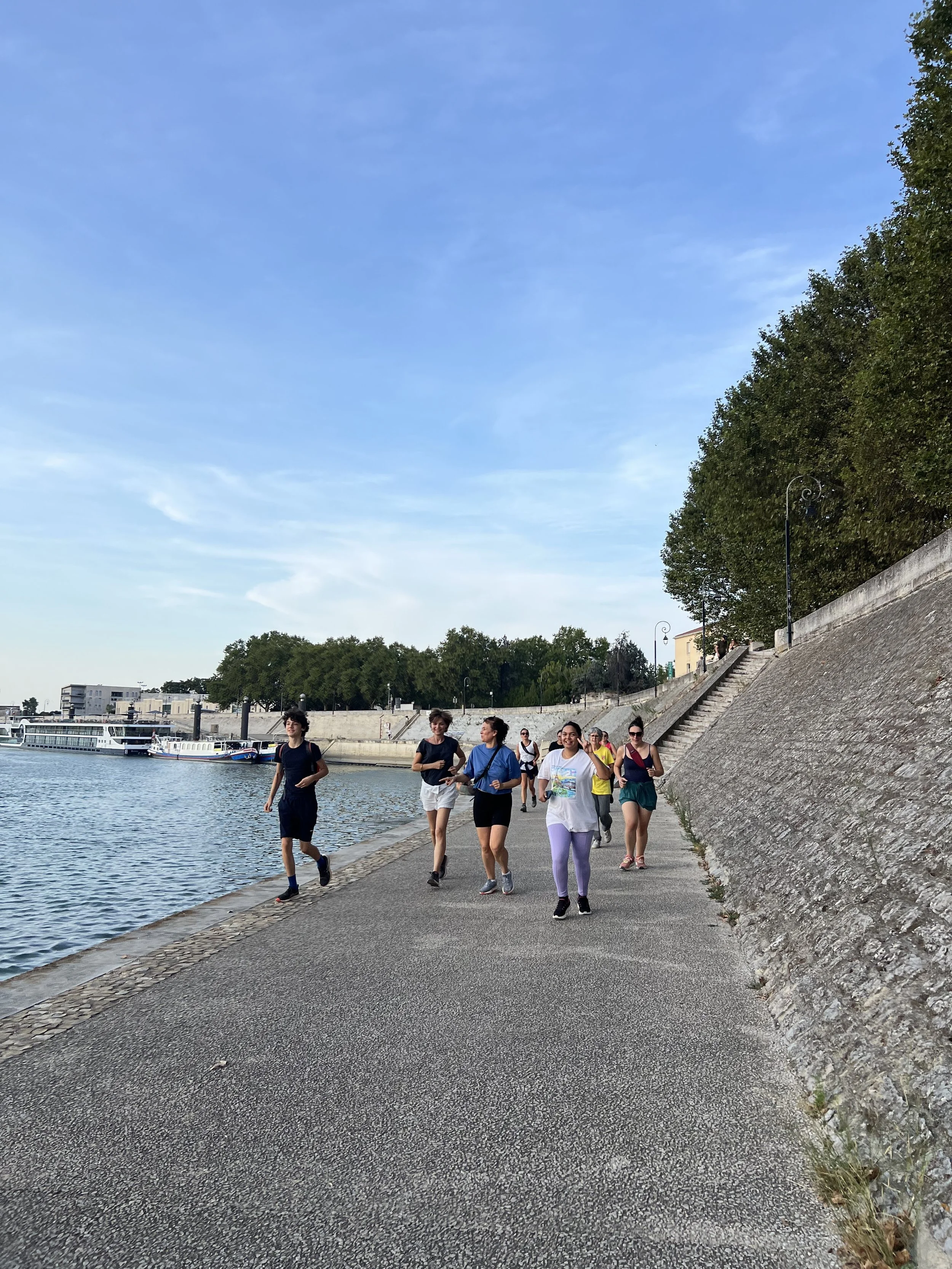
And in Arles, France, Marmar organized a run on what turned out to be an extremely hot day, leading to challenges for some of the runners. However, Marmar told us that she was proud to see everyone pushing through despite the heat, showing “so much energy and determination”.
“I also shared some of my own experiences with running, as well as memories from participating in races in Afghanistan. We talked about freedom and peace, and there was one message that everyone seemed to connect with: we wish Afghan women could be free and have the opportunity to achieve their dreams, just like we can.” - Marmar, Underground Run Leader, Arles
In Ithaca, New York, Danish led an Underground Run that lasted about an hour with two groups, for runners and walkers.
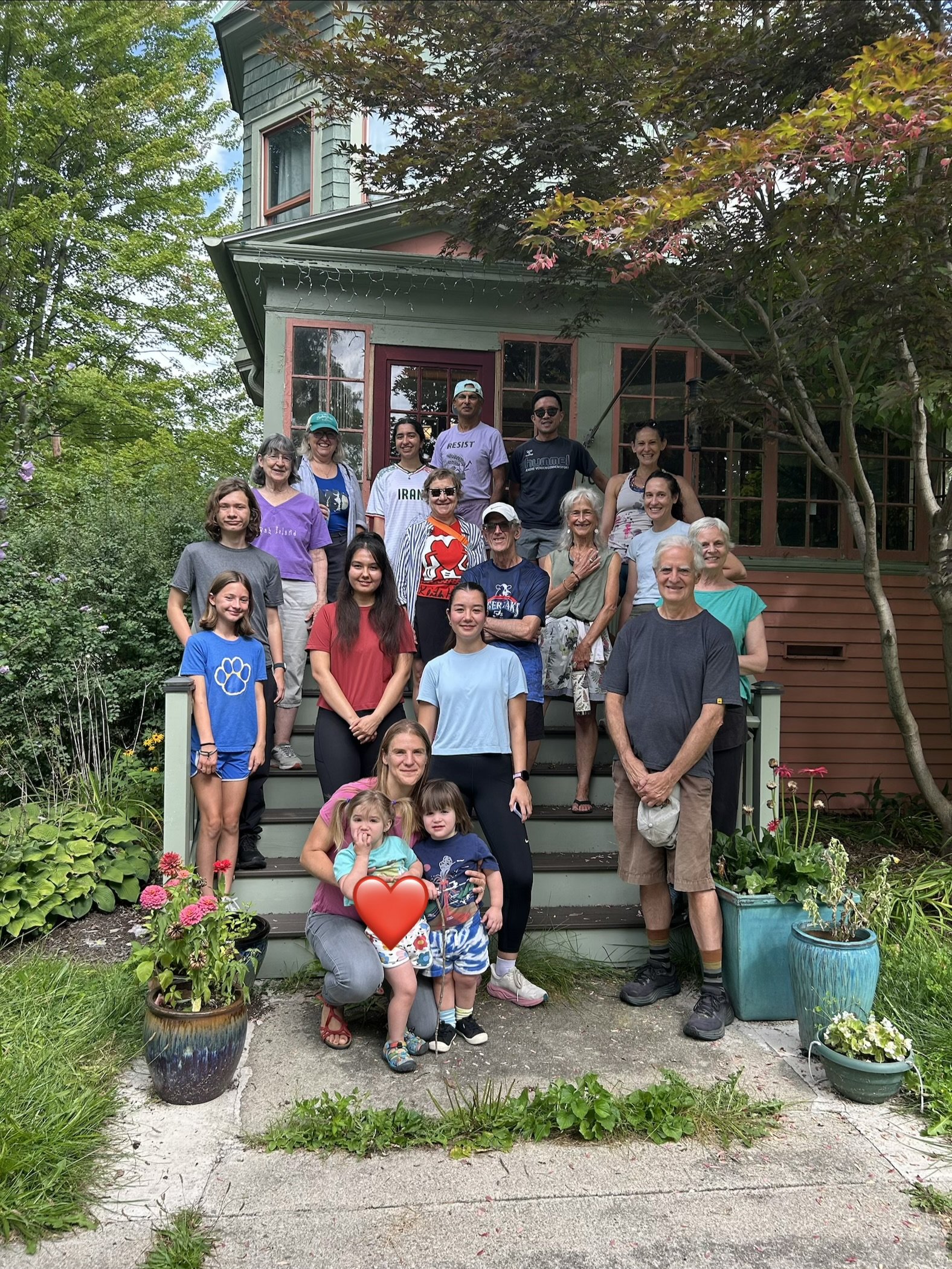
Danish gave a short speech at the beginning about Free to Run, why they were there, and the situation facing women in Afghanistan. After that, she opened the space for others to share their thoughts, and a few people spoke about Afghanistan and it feels that women there have been forgotten. After the run, everyone came back to the starting point to have some fruit and snacks together.
“It was really nice, and I honestly had such a great time. I didn’t expect such a big crowd, especially because many students were on break, so it was really meaningful to see support from both Cornell and the local Ithaca community. The weather was also really nice, which made the run even better. A few Cornell staff and students joined us, but the majority were families and local community members. We actually had several older people who couldn’t run but had heard about the campaign and lived in downtown Ithaca, so they came out to support us and participate in their own way. It was really meaningful to see people from different parts of the community come together.
“I was really happy that people were not just listening but also wanted to take action. Some people donated to Free to Run, and because I also have connections with Afghan students who need English tutors, two people volunteered to teach them English. Honestly, that was one of the most fulfilling parts of the event for me. Although the run itself was only about an hour, we accomplished so much in that short time, and I’m really happy about that.” - Danish, Underground Run Leader, Ithaca
LIVE CHATS
Throughout August 10-15, the conversations continued online, where Underground Run leaders shared their stories and their reasons for participating in the campaign.